
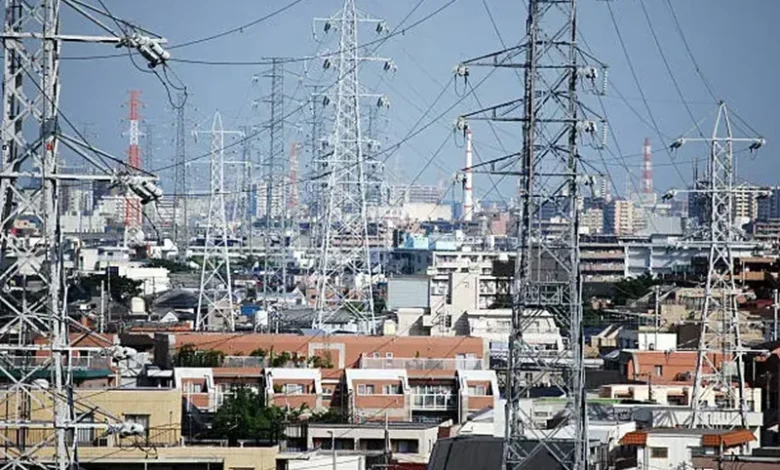
The electric grid is made up of numerous, diverse, reliable, and independent generation facilities that can switch from one source of energy to another if needed.
Smart Technology and Energy Efficiency
In Tokyo, people can access advanced technology in all parts of their daily lives that help them control how much electricity they consume at home, work, or in an industrial setting. Smart meters, real-time monitoring of electric consumption, and automated demand response systems all allow both businesses and residents to consume electricity more efficiently.
Electric power buildings utilize insulation, energy-efficient HVAC systems, and the use of LED lights (or the installation of LED lights) as part of their construction. Many commercial properties have strict energy reduction policies that limit how much electricity they consume compared to what they would have consumed if they hadn’t adopted these policies, and all with no increase or reduction in productivity.
To encourage residents to be aware of their energy usage, Japan has an active program promoting energy-conscious behavior. Additionally, residents have been asked to reduce their electrical usage during peak periods (peak hours), alleviating some of the burden from the energy grid.
Renewable Energy and Sustainable Practices
A gradual rise in renewable energy sources and an effort to keep the grid stable in Tokyo has resulted in increased use of solar power installations, energy storage systems, and hybrid sources within the city.
In addition to that, the local authority has actively supported programs such as demand-side management where consumers choose when to use energy based on the state of the electric grid. These programs, combined with public transport and density-oriented urban design, will also help to lower the amount of total energy consumption.
Catch Up on What Everyone’s Reading
Explore Tokyo’s EV Policies Delivering Results?
Explore how Tokyo’s EV push is transforming urban transport and sustainability.
Discover Plastic That Vanishes In Weeks?
Discover the breakthrough polymer that could change the future of plastic waste.
Check Asia’s Fight Against Greenwashing Pressure?
Check how Asian financial hubs are tackling greenwashing while maintaining growth.
Explore Asian Cities Cutting Pollution Smartly?
Explore how smarter transit systems are reducing pollution across major Asian cities.
Discover Asia’s Smartest Eco Cities 2025?
Discover the top eco-friendly cities leading sustainability efforts in Asia.
Final Words
The combination of technology, planning, and a commitment to limiting energy usage enables Tokyo to effectively manage the demand for urban energy. Therefore, as the largest or one of the largest cities in the world, Tokyo has been able to achieve energy stability, which can only be achieved by effectively managing the demand for energy.
FAQs
1. What are some methods that help keep Tokyo’s power on?
Using more advanced ways to manage the grid, providing backup power options, and accurately predicting energy demand.
2. Are renewable energy sources used in Tokyo?
Yes, and they are using more solar as well as other clean energy sources as they increase.
3. What is demand-side management (DSM)?
It is changing the way that energy is used to lessen peak demand on the grid.
4. Do you think that other cities can adopt Tokyo’s approach?
Yes; however, those cities would need to have good infrastructures, advanced technologies, and the participation of their residents to be successful.