
Why Is Your Rooftop Solar Panel Generating Less Power in This 45°C Heatwave? The Science Explained

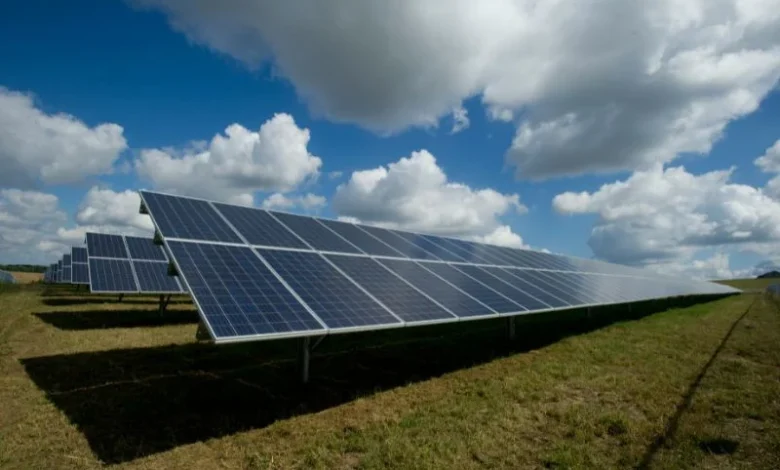
Homeowners often think that having solar panels on their rooftops will result in maximum performance during the hot summer months due to higher quality sunlight and increased electrical generation; however, many customers are not seeing this result during an ongoing 45-degree+ heat wave in India and are instead finding very low energy production from their systems. According to solar experts, the reason for this occurrence is that solar panels rely more heavily on sun intensity than temperature. Excessively hot weather can cause a decrease in the operational capacity of solar panels.
Why Rooftop Systems Get Hotter in Cities
There are many contributing factors to the heat retention around solar panels including: concrete and metal surfaces, poor airflow around rooftop areas, etc. Urban regions such as Delhi, Jaipur, and Lucknow are particularly susceptible to becoming extremely hot during the afternoon hours of heat waves and therefore store a considerable amount of heat.
More Stories You Shouldn’t Miss
Which Hyderabad areas face worst heat?
Check the neighborhoods most vulnerable during extreme heatwaves in the city.
Which Indian cities face extreme heat?
Discover the regions across India at highest risk from rising temperatures.
Is major weather shift coming April?
Explore how upcoming weather changes could impact temperatures across India.
Which cities face climate risk 2026?
Check the urban areas under immediate environmental threat this year.
Why Chennai preparing early for heat?
Discover how Chennai is tackling rising temperatures and health risks early.
How To Improve Solar Performance During Heatwaves
Experts suggest several strategies that will improve the performance of.
Cleaning The Panels – Removing dust build-up on the solar panels will increase both absorption of sunlight and cooling efficiency.
Increasing Airflow Around The Panels – Panels that are elevated slightly above roofs with adequate airflow beneath them ordinarily will maintain cooler temperatures.
Monitoring The Temperature Of The Inverters – The temperature of the inverter will be reduced by ensuring it is installed in a cool, vented area so as avoid overheating.
Avoiding “Midday Water Shock” – Never use very cold water to cool off an extremely hot solar panel by dumping the water directly onto the panel during hot summer afternoons because doing so puts extreme stress on the glass surface of the solar panel due to drastic temperature change.
Final Words
To wrap up, even though the sun is still primarily responsible for generating electricity, extreme heat from the roof may cause solar systems to lose efficiency or create additional strain on system components. Industry professionals believe that regular cleaning, ventilation and controlling heat will help homeowners to achieve maximum solar output in the increasingly hot summers experienced in India.
FAQs
– Do solar panels perform poorly when it is really hot?
Yes. Solar cells will have an increased electrical resistance due to the heat and this affects the efficiency at which the cell converts sunlight into electricity.
– Do solar panels work better when it is cooler?
Yes. The best scenario for solar performance is when you have a sunny day along with temperatures in the moderate range.
– Are temperatures on the roof greater than the temperature in the surrounding air?
Yes, during times of extreme heat, the temperature can be much higher on rooftops and the temperature of solar panels will also be higher than the ambient temperature.
– Does dust impede the generation of solar electricity?
Yes. Dust can block and restrict sunlight, which in turn leads to a greater accumulation of heat on the surface of solar panels than if they were clean.