
Net Metering vs Gross Metering: Which Solar Billing System Actually Lowers Your Electricity Bill to Zero?

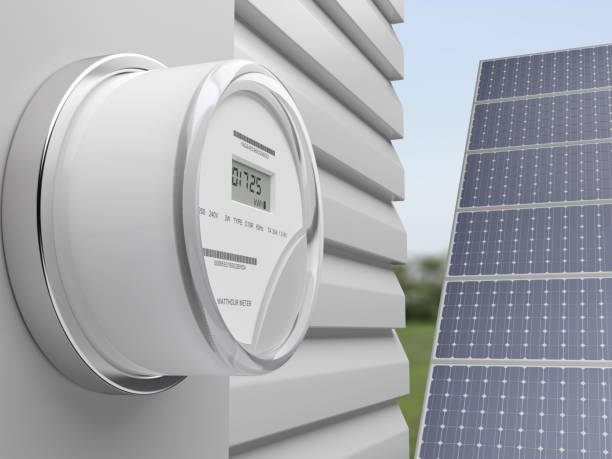
If you’re looking for a way to save money on your electric bill, a rooftop solar system is a good way to do just that. However, the kind of billing arrangement you select will have a large impact on how much savings you can expect to see. The most common types of arrangements are net metering and gross metering. While both billing options allow homeowners to take advantage of their solar system’s output, they each operate differently and can alter how much you end up paying on your monthly bill.
What Is Net Metering?
When you have a net metering arrangement in place, you will use the electricity generated by your solar panels as your first source of power. If your solar system produces more electricity than your home can use, any extra power will be sent back out onto the electric grid, and you will receive credit (in kilowatt-hours) on your account for each kWh exported. These credits will then be used to offset or reduce the amount of electricity you will consume from the grid in the future.
What Is Gross Metering?
With a gross metering arrangement, all of the power generated by your solar panels is sent directly to the electric grid. As a result, you will continue to take electricity from the grid, but the utility will pay you for the electricity that you export from your solar panels at a fixed rate determined before the systems were installed.
Conclusion
Homeowners who want to maximize savings from their rooftop solar panels typically should choose net metering as opposed to gross metering due to the fact that net metering allows customers to draw from the grid first before paying anything from their local utility by using the credits created by the excess energy produced on their rooftop solar system.
Check with your state’s DISCOM for their metering rules before installing a solar energy production system, because different states in India may have different requirements for metering.
FAQs
What’s the difference between net vs. gross metering?
With net metering, the energy produced by your solar energy system is used to offset your total electricity usage and reduces your charge to the local utility while gross metering allows you to send all of your produced electricity to the local utility for credit against kWh’s consumed.
Which provides the greatest savings to all residential users?
For the majority of residential customers, net metering generally produces the most savings.
Can I have a zero bill from my utility company using net metering?
If your solar energy system generates enough energy to offset 100% of your total annual energy required, you may have a zero dollar bill from your utility; this is dependent on your utility’s billing practices.
Is gross metering a viable option for residential customers?
Gross metering can be used by residential customers; however, it generally yields lower bill savings than net metering.