How Do Heatwaves Affect Internet and Power Infrastructure? 8 Hidden Impacts Most People Don’t Notice

Not only do heat waves make people miserable, they also create huge amounts of stress on all the infrastructure systems needed to support our modern way of living. Extreme heat over time can affect everything from the internet to electrical systems, and many times the average citizen won’t even be aware of how such extreme long-term heat is affecting these systems.
1. Higher Electricity Demand
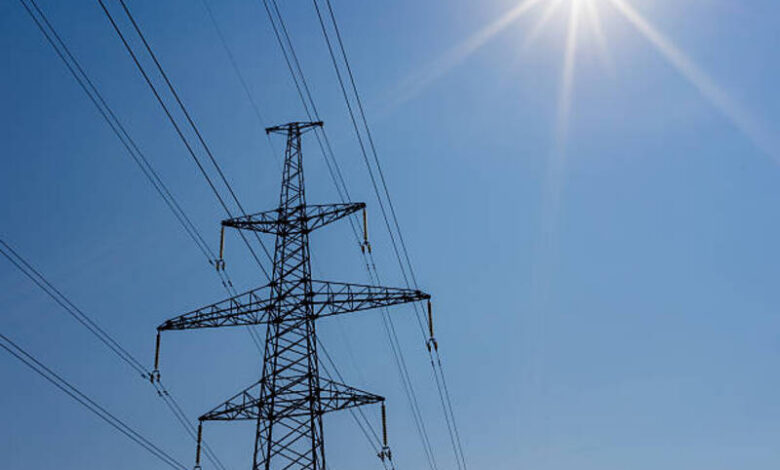
During heat waves, air conditioners, fans, and other cooling systems use enormous amounts of electricity, creating an increased load on power grids and bringing them closer to the breaking point.
2. Overheated Power Equipment
Electrical transformers, substations, and conductors producing large amounts of heat due to being in a heavy load state for more extended periods of time. Operating at extremely high temperature exposes transformers, substations, and conductors to inefficiencies and escalating- electrical failure risk.
3. Internet Data Centers Work Harder
Data center facilities require enough air conditioning or other forms of cooling continuously to be able to keep the temperature of servers to an acceptable level. Cooling systems will use significantly more energy during long heat wave periods, which can result in significant increases to various operational costs.
4. Mobile Network Congestion
During hot weather, more users will spend time indoors using mobile data, video streaming, and utilizing various online services that will place additional pressure on cellular provisioning capabilities.
5. Fiber-Optic Cable Expansion
Extreme heat has been known to cause minor increases in the length of conventional fiber optic cables, while aboveground telecommunications equipment has also been negatively affected by sustained heat exposure.
6. Increased Risk of Power Outages
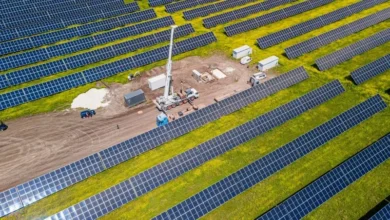
Even though bright sunny days typically produce high amounts of sunlight, extremely high temperatures can cause significant reduction.
7. Reduced Solar Panel Efficiency
Even though bright sunny days typically produce high amounts of sunlight, extremely high temperatures can cause significant reduction.
8. Backup Systems Face More Pressure
Hospitals, data centers, and telecom towers rely on backup batteries and generators during outages. Longer heatwaves increase the demand on these emergency systems.
Conclusion
The impact that heat waves have on much more than simply the temperature outside is very far-reaching; with heat waves adding strain to our electric grids, our internet systems, our communication systems, and our renewable energy systems. As extreme temperatures continue to rise due to global warming, we will need to place an increased focus on building more resilient infrastructure and making smarter energy investments to ensure that we can provide reliable access to critical services
FAQs
How do so many people seem to lose power due to being in the high heat?
As demand for power increases, so does the amount of work required of the grid to provide that energy, resulting in power outages after heat rises.
Are data centers increasing their energy consumption due to high ambient temperatures?
Absolutely. Hot temperatures result in increased energy consumption to keep servers at acceptable operational temperatures (e.g., server room air conditioning).
Do solar panels get too hot to continue producing power?
Yes, excessive heat will cause solar panels to produce power, but usually due to the efficiency of that panel’s operations being limited at elevated levels.
Can solar panels overheat and stop working?
Yes, while solar panels will continue to generate electrical energy when they become too hot, their ability to generate energy efficiently is usually diminished.