Sustainability Initiatives in Abu Dhabi: Net Zero Strategy
Explore Abu Dhabi’s net zero strategy, renewable energy projects, Masdar initiatives, and sustainable urban development plans for a greener future.

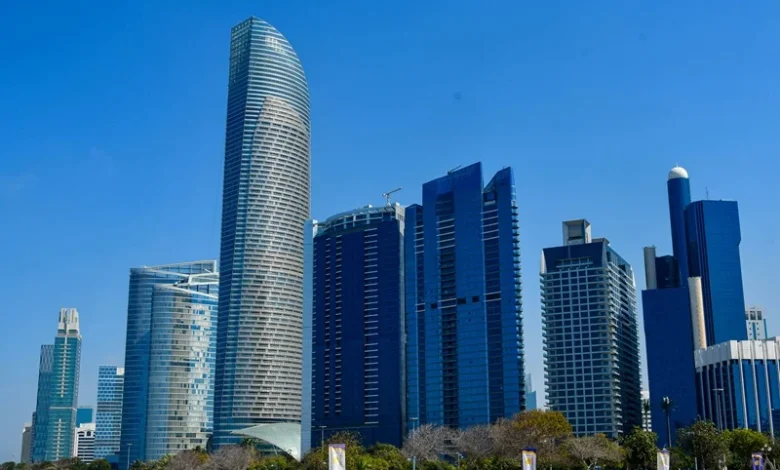
The city of Abu Dhabi is developing its sustainability roadmap in alignment with the UAE’s long-term goal to achieve net-zero emissions by 2050. Abu Dhabi has set out to accomplish this by lowering carbon emissions in several key sectors (energy production, transportation, industrial operations, and urban development) while still developing an economy.
The two lead government agencies responsible for the development and implementation of these sustainability policies and initiatives are the Abu Dhabi Department of Energy and the Abu Dhabi Environment Agency.
The rich array of sustainability programs and initiatives being established in Abu Dhabi includes transformation in energy production and consumption away from fossil fuels to clean technology and enhanced energy efficiency; the reduction of fossil fuel-related emissions; and the identification of new methods to generate power with renewable energy resources.
Clean Energy and Infrastructure Transformation
Abu Dhabi has committed to creating significant new investments in renewable energy sources and infrastructure to support lower-carbon solutions. The most recognized example is Masdar, a company that is developing solar, wind, and green hydrogen projects throughout the world.
Some of the key projects Masdar is working on in Abu Dhabi are:
- Large-scale solar photovoltaic (PV) projects such as Noor Abu Dhabi and Al Dhafra Solar PV
- Expanding the amount of clean electricity generated to reduce dependence on fossil fuels
- Developing green hydrogen as a future fuel source
- Establishing energy efficiency building standards, smart grid systems and other initiatives to create energy-efficient
Abu Dhabi is making sustainability a core component of urban development planning. For example, Masdar City is designed to be one of the most sustainably designed cities in the world.
Stay In The Loop
Which Hyderabad areas face worst heat?
Check the neighborhoods most vulnerable during extreme heatwaves in the city.
Which Indian cities face extreme heat?
Discover the regions across India at highest risk from rising temperatures.
Is major weather shift coming April?
Explore how upcoming weather changes could impact temperatures across India.
Which cities face climate risk 2026?
Check the urban areas under immediate environmental threat this year.
Why Chennai preparing early for heat?
Discover how Chennai is tackling rising temperatures and health risks early.
Policy, Innovation, and Long-Term Impact
The combination of regulations and innovative technologies provides a framework for Abu Dhabi’s strategy to help advance energy efficiency policies by investing in newer technology such as capture and sequestration of carbon dioxide. Other methods of promoting innovation include the development of charging stations to support all-electric vehicles as well as the enhancement of water desalination facilities powered by clean energy sources (e.g., solar).
Final Words
The Emirate of Abu Dhabi pledges to an environmentally friendly net zero strategy that aids in securing a healthy future for its economy. Through renewable energy development, smart infrastructure, and innovations, Abu Dhabi shows how economies based on oil can become sustainable while growing.
FAQs
1. What is Abu Dhabi’s net zero target?
The UAE aims to achieve net zero emissions by 2050, with Abu Dhabi playing a key role.
2. What role does Masdar play?
Masdar leads renewable energy projects and clean technology investments globally.
3. Is Abu Dhabi investing in solar energy?
Yes, it hosts some of the world’s largest solar power projects.
4. Can Abu Dhabi become fully sustainable?
It is challenging due to energy demand, but strong investments and policies are moving the city closer to that goal.