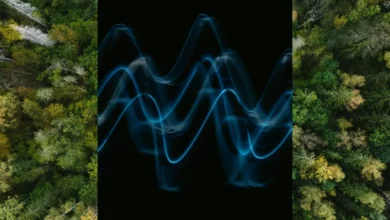
Environmental DNA, abbreviated as eDNA, is a technique that helps researchers trace species by finding their DNA in water. However, just because you find DNA does not mean that you have identified a species.
How does it work?
The water is drained and filtered, and the scientists are left with environmental DNA samples that are then sequenced and checked against existing species lists. It is a simple process that lends itself to reliability.
What can go undetected?
A study conducted in the Volga River made use of a system called qPCR, which was able to identify catfish and eel that had not been detected using a more common method called metabarcoding, but when the same study included twelve new species, two more fish were identified. However, river environmental DNA is also affected by distance. In Wales, researchers collected 798 samples of River Conwy water from fourteen different points in a year.
Can you believe the results?
A study that compared four companies that use fish DNA collected from rivers indicated that there are differences in the performance of the service. Multiple samples and a complete database help ensure proper monitoring of rivers and conservation of endangered species.
You May Also Like
Are We in a Mass Extinction?
Find out if the sixth mass extinction has already begun.
Can Markets Pay for Nature?
Explore whether biodiversity credits can fund conservation.
What Lives Beneath Our Feet?
Discover the soil microbiome and its role in climate.