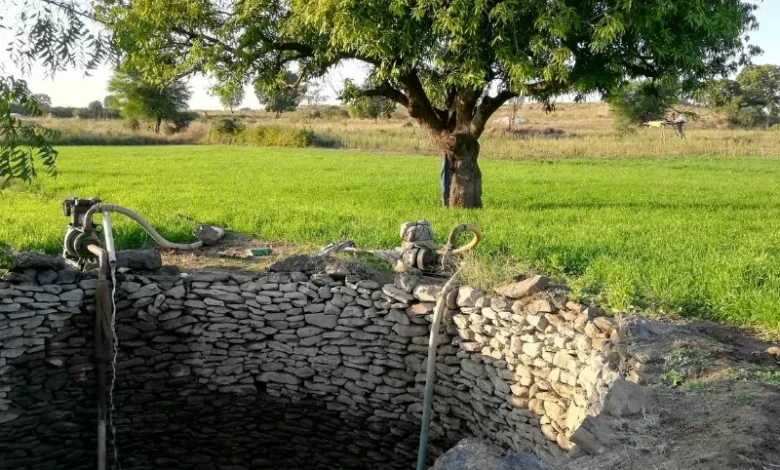
Johads and stepwells means rainwater harvesting structures made of clay that recharge groundwater, help in reviving the Arvari River in Rajasthan after about 60 years of drought.
What exactly is the function of Johads?
Johads and stepwells trap the rainwater flow and save eroded soil from running away with the runoff. Tarun Bharat Sangh played a vital part in the first Johads, which faced demolition orders, as they helped 70 villages in constructing a total of 238 Johads covering the 503 sq. km of the Arvari river watershed by the early 1990s.
What are stepwells?
There are thousands of abandoned stepwells, built between the 7th and 19th centuries all over India, among them many stepwells have been restored from New Delhi to Jodhpur. The construction of Johads also is part of the 2019 plan related to providing rural people with drinking water.
Can it be scaled up?
The process of revival has taken over more than 700 villages and new local institutions have been established as well. Traditional techniques can work together with natural filters (like the East Kolkata Wetlands) to save inland waterways, but the success of the usage depends on rainfall and (effective) maintenance.
Related Reads
How Do Green Roofs Cool Cities?
See how green roofs cut energy bills.
Is Extreme Heat a Health Crisis?
See why it is hitting public health worldwide.
Is Drought Disrupting Trade?
See how the Panama Canal was squeezed.