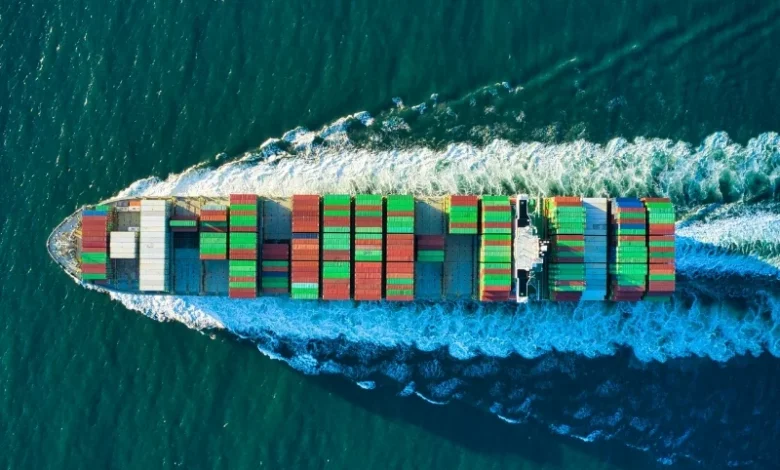
Decreasing a vessel’s average speed (slow steaming) by ten percent may reduce carbon emissions by nineteen percent, even considering the additional vessels that will be required to carry the same amount of goods.
Why Is Speed Significant?
It is known that the energy that a ship uses increases approximately at the cubic power of moving speed, and thus the ten percent slowdown in ships’ speed (slow steaming) is likely to decrease energy consumption by twenty-seven percent according to CE Delft. Thus, the economy of fuel consumption will allow reducing expenditures.
Are There Any Benefits?
According to the research conducted by T&E, a twenty percent slowdown in ships’ speed will decrease painful underwater noise by sixty-six percent and the likelihood of large whale deaths due to ship collisions by seventy-eight percent. Moreover, harmful air emissions will be reduced.
What Stops It?
As the speed reduction facilitates slowdowns, it leads to prospects of delivery time and the number of ships used for cargo transportation. Regulation is essential as voluntary slowdowns depend on fuel prices and demand level.Disruptions like the Panama Canal drought show how fragile trade already is, and corporate net zero pledges will need real cuts.
Related Reads
Is Deep Sea Mining Safe?
Explore the environmental risks of mining the ocean floor.
Can Rare Earths Power Green Tech?
See the race behind rare earth mining and clean technology.
Do Carbon Markets Work?
Learn whether carbon markets can truly protect forests.