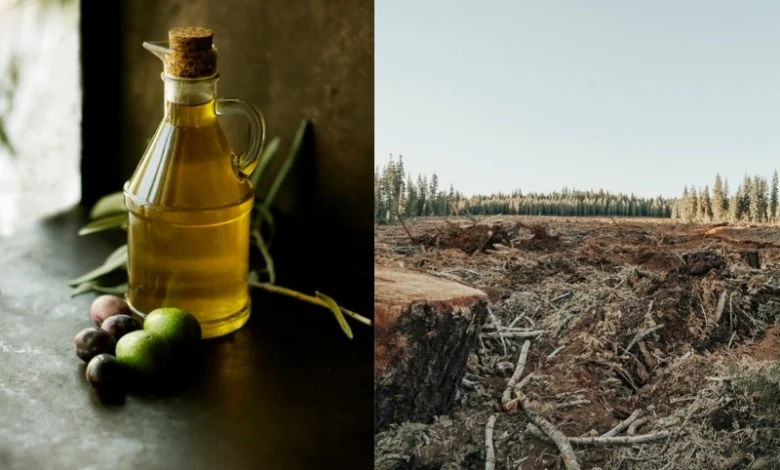
Let’s first understand palm oil and deforestation seperately. The usage of palm oil is present in a variety of products ranging from food to cosmetics, and even fuel. This leads us to point out that there has been a lot of deforestation in the course of the expansion of palm oil agriculture across the forests of tropical countries. Usually, around 20% of the palm oil that is produced has the Roundtable on Sustainable Pal (RSPO) certification.
What Does the Research Prove?
According to a recent research analysis conducted in Indonesia from 2001-2015, the role of this certification was to cut down the deforestation from 9.8% to 6.6% per year. Nevertheless, the certification was not able to prevent deforestation or influence the activity of peatland clearing or fires.
Why Is the Impact of Palm Oil and Deforestation So Low?
In 2015, most of the plantations had very little forest remaining, thus the certified territories accounted for less than 1% of the total forest covered by plantations. Scientists believe that more strict regulations of peat utilization, on the one hand, and more powerful monitoring mechanism, on the other hand, will lead to more efficient use of palm oil.
What Should Buyers Do?
Certification helps, but does not guarantee. Buyers can look for traceable, deforestation-free supply chains and governments can support strong monitoring. And protecting carbon-rich land matters too, as we explain in our report on peatlands.
Read more Environmental Changes
Is the Amazon near a tipping point?
Learn how close diebacks really are.
Is food waste a climate issue?
See how food waste adds to climate change.
How healthy is our soil?
See why healthy soil is running out.
Is sand really running out?
Explore why the world is short of sand.
What went wrong in 2025?
Read about 12 major environmental disasters.