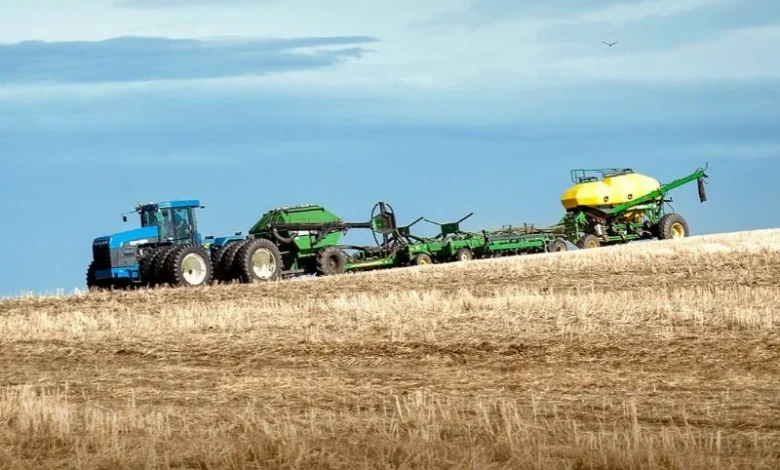
Despite being a major global player in food production, livestock farming in the Netherlands produces ammonia pollution that threatens protected natural areas. Dutch nitrogen pollution farmers, For that reason, in June 2026 the Dutch government asked farmers to reduce their ammonia emissions by 42 to 46 percent by 2035 when compared to 2019 levels.
Why Is Nitrogen a Concern?
Nitrogen in excess proportions harms biodiversity and water quality in Natura 2000 protected areas. A court ruling delivered in 2019 prohibited issuing permits nearby and a decision taken in January 2025 required reaching the legal level of emissions in half of the Natura 2000 areas affected by ammonia pollution.
What Is the Solution?
A €20 billion plan restricts the number of cows to 2.6 per hectare and introduces buffer zones for up to 1,000 meters. The farmers need to implement low-emission technologies, reduce livestock numbers, or move away.
Can Technologies Solve the Issue? – Dutch nitrogen pollution farmers
The use of low-emission stables greatly reduced ammonia pollution since 1990; however, progress was minimal in 2015. The latest survey showed that 63% of livestock farming organizations are willing to adopt low-emission technologies. However, it is still a big challenge to achieve food production goals without harming the environment.
Read more on Climate & Nature Changes
How healthy is our soil?
See why healthy soil is running out.
Is food waste a climate issue?
See how food waste adds to climate change.
Can growing food indoors help?
Weigh the pros and cons of vertical farming.
Where is carbon really stored?
Meet the overlooked peatlands beneath our feet.
Why are kelp forests disappearing?
See what threatens the ocean’s underwater forests.