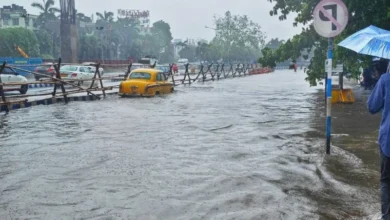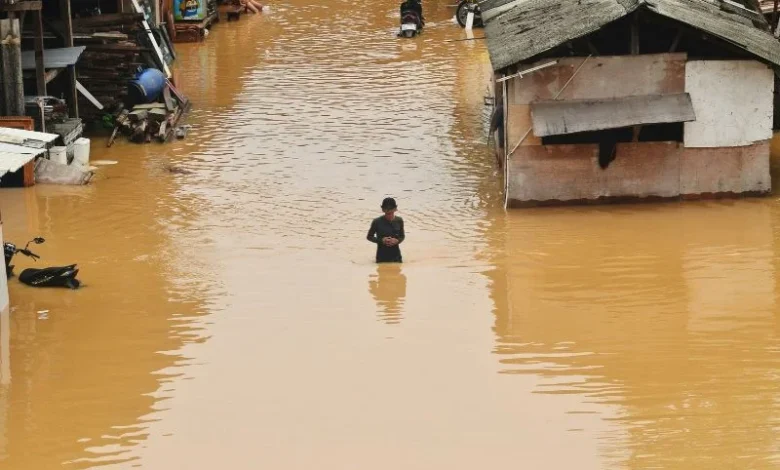
The Groundswell report, which was created by the World Bank, climate migration, suggests that climate change could compel 216 million individuals to migrate within the boundaries of their respective countries by the year 2050.
Where Are People Going?
1- Sub-Saharan Africa will have approximately 86 million people.
2- East Asia and the Pacific will host around 49 million people.
3- South Asia will have about 40 million people, with half of that number being from Bangladesh.
4- Other regions include North Africa with almost 19 million people, Latin America with almost 17 million people, and Eastern Europe and Central Asia with 5 million people.
Who Is Impacted the Most?
Most migration occurs within the borders of countries, as South Asians migrate within South Asia and Africans move across Africa and do not go toward Europe or North America. The poorest countries are most affected, and the process could start as early as 2030. Some reasons behind the migrations include climate change, rising sea levels, and reduced crop production. A total of 83.4 million internally displaced individuals were recorded at the end of 2024 due to various reasons. The migration process could be complicated by geopolitics.
How Can It Be Mitigated? – climate migration
According to the report, following the rules of the Paris agreement regarding emissions and migration would cut the number by 80 percent, to 44 million.
You May Like It:
What happens to sinking nations?
Learn how Tuvalu and the Maldives face rising seas.
Why are big cities sinking?
Find out why Jakarta and Mexico City are going under.
Which cities face climate risk in 2026?
Check the urban areas under immediate environmental threat.
How Do Communities Fight Drought?
Meet the volunteers in Hungary building their own dams.
What were 2025’s worst disasters?
Review the 12 disasters that shaped the year.