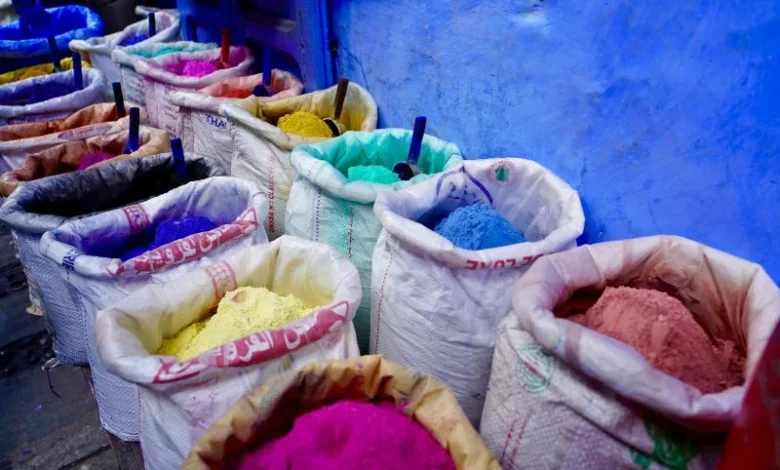
Fashion is believed to account for as much as one-fifth of all industrial water pollution—although the exact figure is debated. Textile dye water pollution, The industry consumes about 93 billion cubic meters of water each year, enough to fill 37 million Olympic swimming pools.
Origins of Pollution
Wet processes such as scouring, bleaching, dyeing, and finishing are responsible for around 70% to 80% of pollution in the textile industry. The World Bank has revealed 72 dangerous chemicals that are directly associated with textile dyeing.
Who Is Affected?
In garment industry hotspots like Bangladesh, it is common practice to discharge waste into rivers directly, because treating waste is expensive and regulations are lax. As a result, local people speak of black rivers and a range of health issues.
What Is the Solution? – textile dye water pollution
Many factories are already relocating to areas with centralized waste treatment facilities, although some may not be sufficiently equipped to handle the volume of waste that is produced. Innovative dyeing techniques and closed-loop water systems allow manufacturers to reduce waste, as do behavioral changes in consumers in terms of purchasing habits. See where discarded garments end up in Chile’s fashion graveyard.
You May Like It:
How do you recycle electronics safely?
Follow this everyday checklist.
What is the hidden cost of battery metals?
Read about lithium mining.
What went wrong in 2025?
Read about 12 major environmental disasters.
Is food waste a climate issue?
See how food waste adds to climate change.
Which countries run on clean power?
See who relies almost entirely on renewables.