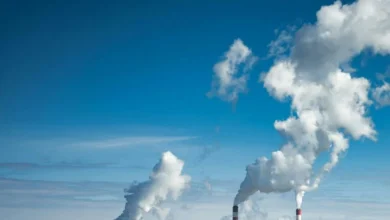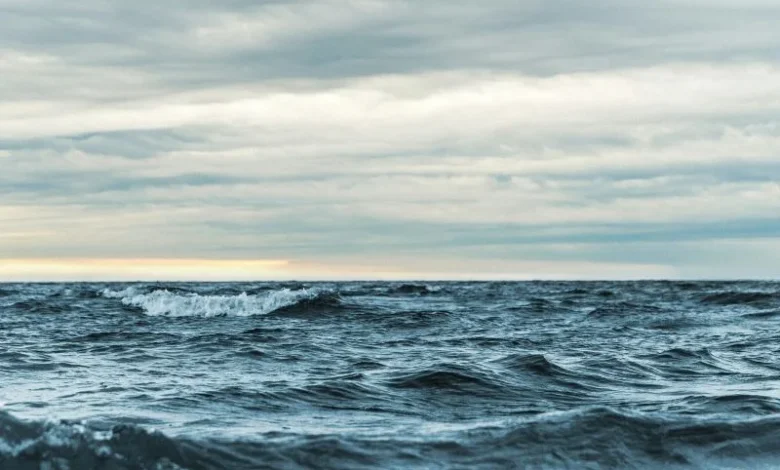
The ocean is responsible for absorbing about 30% of the CO2 resulting from human activities, which is leading to the alteration of its chemical structure. ocean acidification, The surface waters have been found to contain about 30% more acid than they used to before the dawn of the industrial period.
What Is Happening?
When CO2 is dissolved in seawater, hydrogen ions are released, which results in reduction of pH value of water. The ocean pH has changed from 8.2 to 8.1 in the past 200 years. The degree of this change is significant because the measurements of pH are made using the logarithmic scale. Extraction of fossil fuels over the past two centuries has resulted in the release of a lot of CO2 into the atmosphere and oceans.
Who Is Affected?
The acidification of the oceans makes it difficult for oysters and mussels to form their shells and skeletons. The same goes for the crustaceans and corals. On top of that, the acidification of water impedes reproduction of shellfish and other species of fish. The creation of dead zones in the oceans results in the loss of oxygen and creates problems for aquatic life.
What Is Coming? – ocean acidification
Under high emissions, by 2100, surface waters could become almost 150 percent more acidic, with impacts lasting for thousands of years. The main remedy is cutting CO2.
Stay informed on nature’s biggest global events
Do Whales Help the Climate?
See how giants of the sea help capture carbon.
Is the Ocean Running a Fever?
Explore how marine heatwaves stress sea life.
Are Reefs Running Out of Time?
Read what mass bleaching means for the ocean.