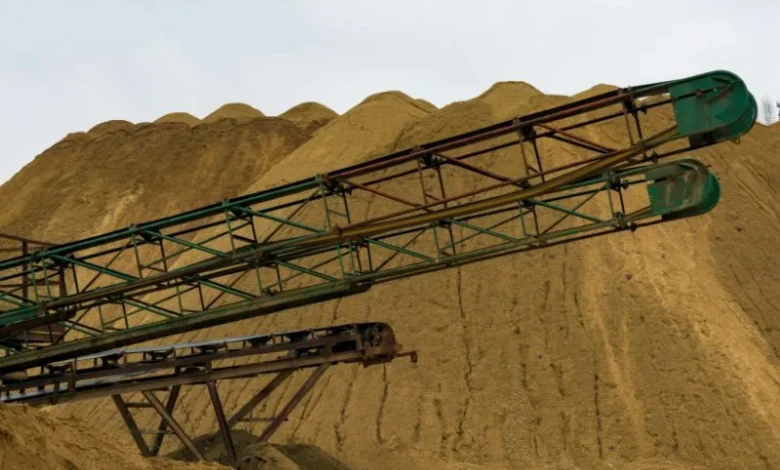
It appears that the quantity of sand is infinite, but the reality is that humans are using it at a significantly higher speed compared to how nature regenerates it. global sand crisis, According to the report by the UN Environment Programme (UNEP) released in 2026, the extraction process of sand is carried out at the rate of almost 50 billion tons every year.
Why Is There Such Demand for Sand?
Sand is incorporated into concrete, asphalt, and glass. In fact, building construction alone could increase by almost 45 percent by 2060; while sand needs hundreds of thousands to be formed. According to a UNEP report dated 2022, the consumption of sand has tripled over the last two decades resulting in nearly 17 kilograms of sand usage per person daily.
Dead Sand and Alive Sand Explained
The UN Environment Programme differentiates between “dead sand” that is trapped in glass and concrete and “alive sand,” which is found in rivers, deltas, and coastlines and regulates the water flow. Only 5 percent of the world’s sand can be used to make concrete.
The Effects
- Mekong: Extraction activities are causing the sinking of the delta and contamination by salt is degrading the agricultural land.
- Protected Sea: Half of the dredgers are operating in marine protected areas, constituting 15% of the amount dredged.
- India: Global Witness highlights that almost 75,000 people engaged in illegal activities by the shores of the Ulhas.
Ways of Solving the Problem – global sand crisis
UNEP claims that better governance, that is the introduction of transparent permits, the prohibition of sand extraction from the shores, and using recycled sand should be implemented.
Stay informed on nature’s biggest global events
How Harmful Is Plastic Pollution?
Explore its impact on ecosystems.
What Were 2025’s Worst Disasters?
Read about 12 major environmental disasters.
How Do Communities Fight Drought?
Meet the volunteers in Hungary building their own dams.