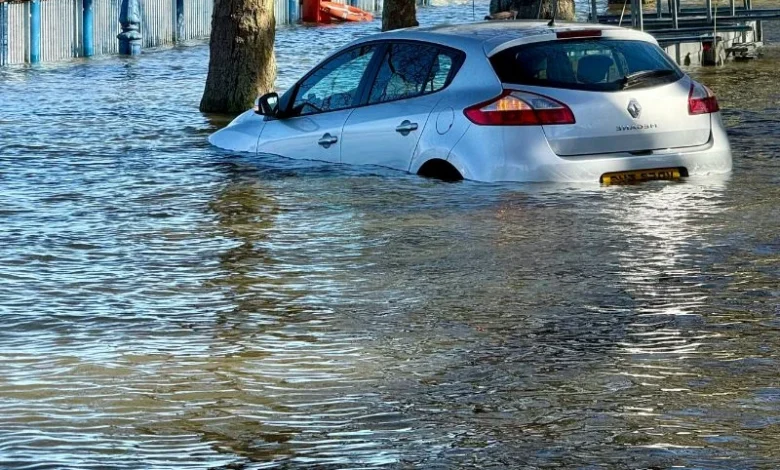
This October has brought one of the harshest stretches of Thailand weather in recent memory, and the impact has reached far beyond rooftops and rivers. Thailand Weather Crisis, Days of relentless rain triggered widespread Thailand floods across Bangkok and nearby provinces, cutting off the roads that car factories rely on every single day. A weather event has turned into a genuine industrial problem for one of Asia’s biggest vehicle manufacturing hubs.
How the Weather Turned Into a Supply Chain Problem
Thailand gets heavy rain every monsoon season, but this year’s rainfall totals have gone well beyond the usual pattern. Chonburi and Rayong, two provinces lined with parts factories, recorded over 320 millimetres of rain in just three days. Trucks that normally move components between suppliers and assembly plants simply could not get through. Car manufacturing runs on tight, just-in-time delivery schedules, so even a brief break in that chain is enough to bring an entire plant to a stop.
Automakers Forced to Pause Production
Honda suspended work at its Prachin Buri and Ayutthaya plants after flooding cut off its suppliers based in Chonburi and Rayong. Toyota paused operations at several sites, including Samrong and Ban Pho, while working with its supplier network to find alternative transport routes. Both companies were clear that the stoppages were not caused by damage inside their own factories, but by floodwater blocking the delivery roads leading to them.
The Bigger Weather Outlook for Thailand
Meteorological authorities have already warned of further heavy rain across the north and northeast, so the risk is far from over. The Federation of Thai Industries says flooding between late September and early October affected Bangkok and fourteen other provinces, with close to 40 percent of its member factories reporting some level of disruption. Industry officials are calling it one of the more serious weather-driven setbacks the sector has seen in years.
What Readers Around the World Should Expect
For buyers and dealers outside Thailand, this disruption carries real, practical consequences:
- Possible delays in receiving certain Toyota and Honda models
- Short-term shortages of specific spare parts
- Temporary price shifts on affected vehicle variants
Automakers have allowed staff to take leave so they can manage flood damage at home, and both companies plan extra production shifts once conditions improve to make up for the lost output.
Conclusion – Thailand Weather Crisis
This Thailand flood situation is a clear reminder of how far-reaching a few days of bad weather can be. A stretch of extreme rainfall in central Thailand has slowed vehicle production that eventually reaches buyers across the globe. Until the rain eases and roads reopen fully, automakers and their suppliers will keep adjusting, and customers abroad would do well to expect short delivery delays in the weeks ahead.
Wildlife stories worth watching closely.
Which Countries Face Wildlife Loss?
Check out global hotspots where endangered species need urgent protection.
What Makes This Monkey So Rare?
Find out about the newly discovered orange-lipped monkey in Congo.
Why Are Andaman Species Disappearing?
Uncover why these unique species need immediate conservation efforts.
Can AI Help Save Wildlife?
See how AI is transforming endangered wildlife monitoring.
Which Species Are Near Extinction?
Look into wildlife facing the highest risks of disappearing.