Africa’s Rhinos Get the Spotlight, But Indonesia’s Javan Rhino and Sumatran Rhino Are Closer to Extinction

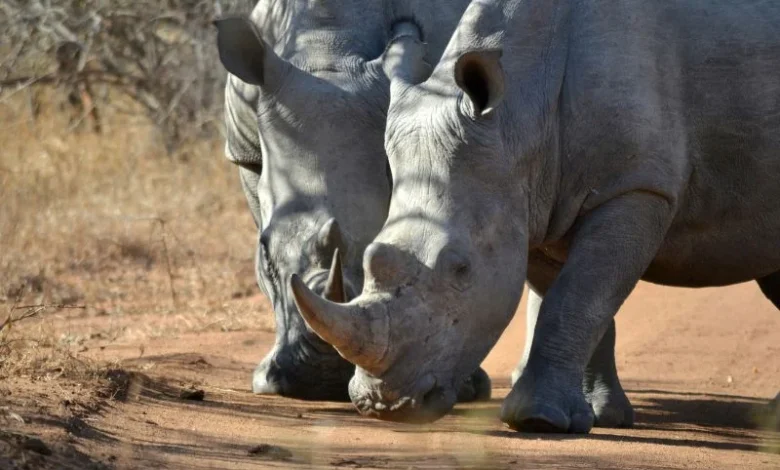
When people picture an endangered rhino, they usually think of Africa’s vast savannahs and anti-poaching patrols. Indonesia’s endangered rhinos, News stories, documentaries, and safari photos keep that image alive in our minds. But the real emergency is unfolding quietly, far away from the cameras, in Indonesia. The Javan rhino and the Sumatran rhino are two of the rarest large mammals on the planet, and both now survive only inside a few patches of Indonesian forest.
Why Africa’s Rhinos Attract More Attention
Africa is home to the majority of the world’s wild rhinos, mostly white rhinos and black rhinos. Strong tourism income, steady international funding, and years of dedicated anti-poaching work have helped several African populations recover and even grow in certain reserves. Because the scale is so large, with tens of thousands of animals roaming wide, open, photogenic landscapes, it naturally draws more global media coverage than smaller, more hidden populations elsewhere in the world. Even Asia’s greater one-horned rhino in India and Nepal has recovered well enough to fade from urgent headlines.
The Grim Reality for Indonesia’s Rhinos
Indonesia’s situation is far more fragile, and arguably far more urgent. The Javan rhino survives in exactly one location, Ujung Kulon National Park on the island of Java, with roughly 80 to 100 individuals left in the entire wild population. There is no second wild group anywhere else on Earth as a backup. A single disease outbreak, a tsunami, or volcanic activity near the park could realistically wipe out the whole species in one blow, something that is simply not a risk for species spread across multiple countries.
The Sumatran rhino is in an even more precarious spot. Experts believe fewer than 80 remain, scattered across small, disconnected forest fragments in Sumatra and parts of Kalimantan. These tiny groups are so spread out across dense terrain that rhinos often cannot find mates naturally anymore. This is exactly why Indonesia runs a dedicated breeding programme, the Sumatran Rhino Sanctuary in Way Kambas National Park, Lampung, where keepers try to bring isolated rhinos together safely.
What Makes These Two Species So Vulnerable
- Both species exist in only one country, Indonesia, so there is no backup population anywhere else
- Habitat is limited to small, scattered forest pockets, unlike Africa’s much larger connected reserves
- Low numbers make natural breeding difficult and genetic diversity harder to maintain
- Poaching, even on a small scale, has an outsized impact when a species numbers under a hundred
- Climate shocks and natural disaster risk are concentrated in just one or two locations
How Conservation Groups Are Responding
Indonesian authorities, working alongside the IUCN Asian Rhino Specialist Group, are pushing for expanded protected habitat, stronger ranger patrols, and wider use of assisted breeding technology for both species. The Indonesian Ministry of Forestry regularly updates the public through World Rhino Day campaigns, while camera traps, DNA sampling, and close genetic monitoring now help researchers track individual rhinos by name, since every single birth or death genuinely matters when the entire species numbers fewer than a hundred animals.
What Global Readers Can Do
Rhino conservation should not be seen as Indonesia’s responsibility alone. People anywhere in the world can support accredited wildlife organisations financially, avoid buying products linked to illegal wildlife trade, and take care to share accurate, updated figures instead of outdated or exaggerated claims online. Travellers visiting Southeast Asia can also choose certified, responsible eco-tourism operators, which directs money toward genuine habitat protection rather than harmful exploitation of wild spaces.
Conclusion – Indonesia’s endangered rhinos
Africa’s rhinos absolutely deserve the global attention they receive. But the Javan rhino and Sumatran rhino need that same level of urgency, if not more. With both species now confined to a handful of forest patches in Indonesia, their long term survival depends entirely on sustained funding, stronger habitat protection, and genuine worldwide awareness.
Wildlife stories worth watching closely.
Which Countries Face Wildlife Loss?
Check out global hotspots where endangered species need urgent protection.
What Makes This Monkey So Rare?
Find out about the newly discovered orange-lipped monkey in Congo.
Why Are Andaman Species Disappearing?
Uncover why these unique species need immediate conservation efforts.
Can AI Help Save Wildlife?
See how AI is transforming endangered wildlife monitoring.
Which Species Are Near Extinction?
Look into wildlife facing the highest risks of disappearing.