Bangkok Flood Crisis: Thai Capital Declared Disaster Zone as Record Rain Overwhelms the City

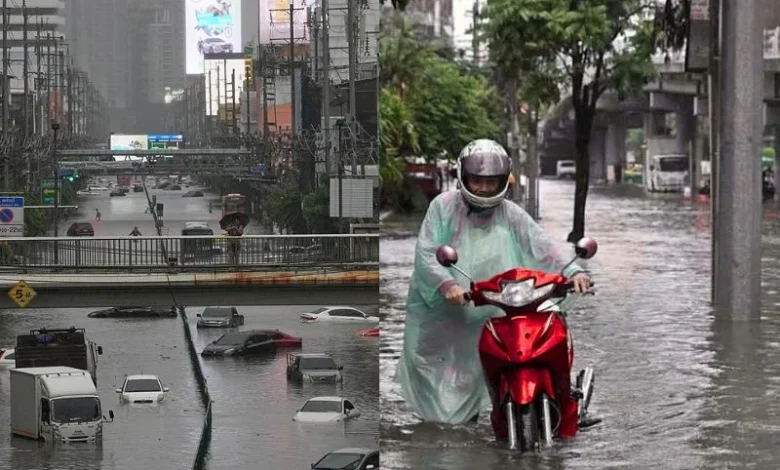
Bangkok flooding has hit a level the city rarely sees, and it pushed the governor to officially declare a disaster zone across all 50 districts. Rain that hasn’t let up since Thursday has crept into homes, shops, and roads, leaving people wading through water up to their waists. In a city of more than ten million, that kind of disruption doesn’t stay contained. It spills into commutes, into small businesses, into everyday plans.
Why Bangkok Was Declared a Disaster Zone
Governor Chadchart Sittipunt said nearly 300 millimeters of rain fell in just 48 hours, more than the drainage canals could handle. He didn’t mince words, calling it a real risk to people’s lives and a threat to both public and private property. Eastern Bangkok took the brunt of it, with water rising quickest in the neighborhoods that sit right along the canals.
How the Flooding Is Affecting Daily Life
Cars sit half-submerged on major roads. Shops near the canals have pulled their shutters down, at least for now. City officials are asking people to skip travel unless it’s necessary. For households with elderly or bedridden family members, getting out isn’t simple. Narrow lanes and rising water make even short trips risky, so those families are being given priority when help arrives.
Government and Emergency Response
The army has moved in with field kitchens and temporary shelters, and the Bangkok Metropolitan Administration has turned schools into emergency housing. Transit officials are letting residents park for free at MRT stations, a small but useful way to get cars off flood-prone streets. Prime Minister Anutin Charnvirakul reportedly cut a trip abroad short to come back and manage the response himself.
What This Means for Travelers
Suvarnabhumi Airport is running as normal, but the tourism authority is telling visitors to pad their travel time by two or three hours. Roads just aren’t predictable right now. If you’ve got a trip to Bangkok coming up, keep an eye on your flight and hotel updates, and try to steer clear of the low-lying areas near canals.
A Wider Pattern of Extreme Rainfall
This isn’t a one-off. September’s rainfall in Bangkok has run well above the usual average, and warming global temperatures keep getting tied to heavier, more frequent monsoon storms across Southeast Asia. Thailand’s southern provinces went through deadly flooding just last year too, which says a lot about how often the country’s flood defenses are being pushed to their limit these days.
What Residents Near Canals Should Do Right Now
- Move vehicles and valuables to higher ground
- Keep a charged phone and emergency numbers within reach
- Never walk or drive through moving floodwater
- Follow updates from local district offices and disaster prevention authorities
Conclusion – Bangkok flooding
Thailand’s capital has been declared a disaster zone after nearly 300mm of rain fell in 48 hours, flooding roads, homes, and canals. The army has stepped in with shelters as residents near waterways are told to move to higher ground.When a capital city like Bangkok declares a disaster zone, that’s your cue to act early, not to wait until the water’s at your door.
Read more Climate Changes:
Which Hyderabad areas face worst heat?
Check the neighborhoods most vulnerable during extreme heatwaves in the city.
Which Indian cities face extreme heat?
Discover the regions across India at highest risk from rising temperatures.
Is major weather shift coming April?
Explore how upcoming weather changes could impact temperatures across India.
Which cities face climate risk 2026?
Check the urban areas under immediate environmental threat this year.
Why Chennai preparing early for heat?
Discover how Chennai is tackling rising temperatures and health risks early.