Pakistan Expands Protected Habitat for Indus River Dolphin as Population Recovery Sparks Global Hope

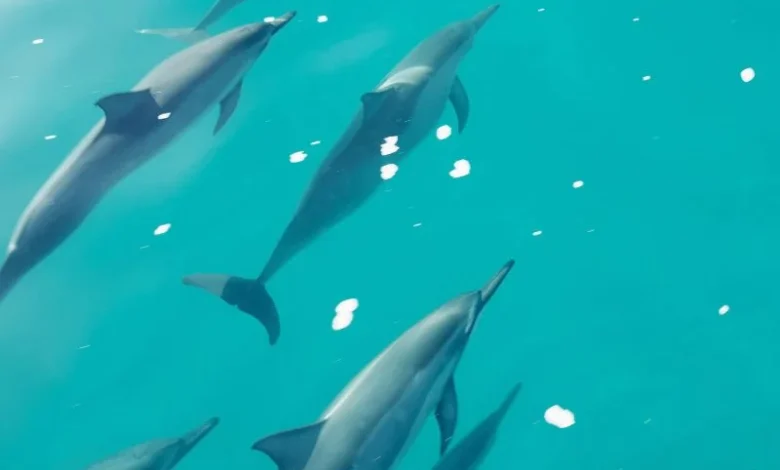
The Indus River dolphin is one of the rarest freshwater mammals left on the planet. Indus River dolphin sanctuary, Blind by evolution and found almost nowhere outside Pakistan, this ancient creature has clung on for millions of years even as its home shrank around it. A newly declared protected habitat in Punjab is now being called a genuine turning point for the species.
Punjab’s New Sanctuary Links Up With Sindh
In June 2026, authorities formally notified the Punjnad Indus River Dolphin Sanctuary, protecting close to 200 kilometres of river in Punjab. This stretch joins an older reserve already running through Sindh, so the two together now form one unbroken belt of legally safeguarded river close to 400 kilometres long. For an animal that has spent decades trapped in scattered, disconnected patches of habitat, this kind of joined-up coverage carries real weight, not just symbolic value.
Why This Recovery Story Actually Matters
A 2025 scientific survey put the dolphin’s numbers at close to 1,987 individuals, a meaningful climb from the low point of under 700 recorded in the early 2000s. Conservationists point to older policies, such as the hunting ban introduced in the 1970s, as well as newer local efforts, for this slow turnaround. Even so, almost the whole population still lives within one 690-kilometre section of river, boxed in between two major barrages, which leaves it dangerously exposed.
Threats That Have Not Gone Away
- Fishing nets left unattended continue to trap and drown dolphins by accident
- Irrigation canals draw confused dolphins away from the main river, sometimes fatally
- Mining runoff introduces harmful chemicals into the water
- Shrinking river flow, worsened by glacier melt and shifting weather patterns, is squeezing fish stocks the dolphins rely on
Community Involvement Will Decide the Outcome
Officials are careful to note that a boundary on a map cannot save a species by itself. Countless fishing families depend on the Indus River for their livelihood, so conservation groups are pushing for fishing practices that protect both incomes and wildlife together. Closer coordination between Punjab, Sindh and groups such as WWF-Pakistan is expected to shape how the sanctuary actually functions on the ground.
A Hopeful Step, Not a Finished Job
Researchers describe the sanctuary as encouraging but incomplete. Long-term survival will still depend on smarter barrage management, cleaner water and steady monitoring across both provinces.
Conclusion – Indus River dolphin sanctuary
This expanded conservation effort proves that patient, evidence-based work can pull a species back from near extinction, but its future now rests on everyone sharing the responsibility, from policymakers down to the fishers who share the river with it.
More stories on extreme weather.
Why Is Bangladesh Facing Flood Risks?
Find the latest climate insights.
What’s Driving India’s Weather Split?
Check out the extreme weather patterns.
Is Sonamarg Travel Safe Today?
Get to know the latest advisory.
How Severe Are China’s Floods?
Browse the latest emergency updates.
Why Is Northeast India Flooding?
Uncover the unusual jet stream effects.