Giant Anteater’s Comeback in Argentina Shows the Power of Natural Habitat Restoration

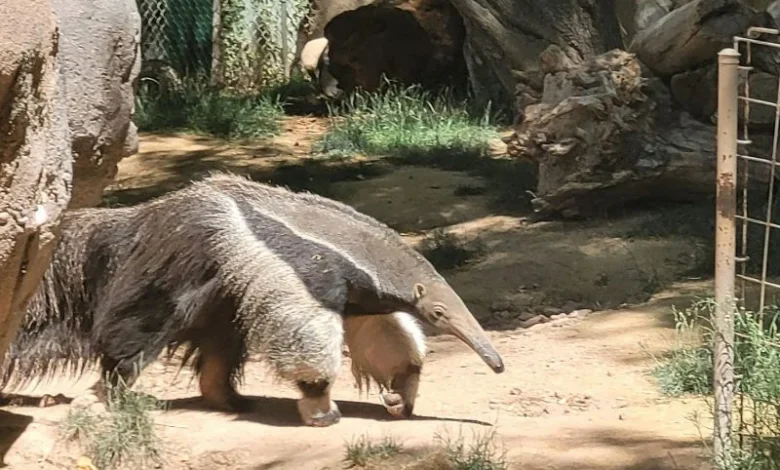
Wildlife rarely makes a grand entrance, but in Corrientes province, Argentina, a giant anteater did something remarkable. Natural Habitat Restoration, Spotted in 2025, it was the first anteater seen in that region since 1986. This one sighting is now being looked at closely by scientists, because it may show what happens when people step back and let a damaged landscape recover on its own.
Why This Sighting Matters
The animal turned up in the Alma Guaraní reserve, part of the wider Gran Chaco region shared by several South American countries. Years of farming and cattle grazing had pushed anteaters and many other species out of this area. So when camera traps caught the anteater on film, it felt like proof that the reserve’s slow recovery was finally paying off.
What Brought the Anteater Back
Researchers did not release the animal or build it a special home. They used two much simpler approaches:
- Fencing off roughly 150 hectares of land to stop livestock, stray dogs and hunters from disturbing it, allowing native plants to grow back naturally
- Planting native trees on a smaller, badly damaged patch of about 11 hectares to help that section recover faster
The anteater chose to settle in the fenced off area that was left mostly untouched. Within about four years, the ants it feeds on had returned in large enough numbers to support it.
A Bigger Lesson for Nature Restoration
Scientists are careful not to call this a full recovery of the species just yet. It could simply be one wandering animal rather than a sign of a growing population. Even so, it adds weight to something many conservationists already believe, that sometimes doing less is more effective than doing more. Keeping people, livestock and dogs away from a damaged patch of land can be enough to let its food chain rebuild on its own.
This has practical value far beyond Argentina. Communities near fragile forests or wetlands anywhere in the world, from rural Africa to parts of Asia, could use similar low-cost methods such as fencing and restricting grazing instead of relying only on expensive replanting projects.
Conclusion – Natural Habitat Restoration
One anteater walking back into a reserve after forty years will not fix an ecosystem overnight, but it shows what patience can achieve. The real lesson here is simple: protect the land, limit the damage, and nature often finds its own way back.
More stories on extreme weather.
Why Is Bangladesh Facing Flood Risks?
Find the latest climate insights.
What’s Driving India’s Weather Split?
Check out the extreme weather patterns.
Is Sonamarg Travel Safe Today?
Get to know the latest advisory.
How Severe Are China’s Floods?
Browse the latest emergency updates.
Why Is Northeast India Flooding?
Uncover the unusual jet stream effects.