Reservoir Levels Fall Despite Wettest Day in Months: Why Rain Alone Cannot End a Drought

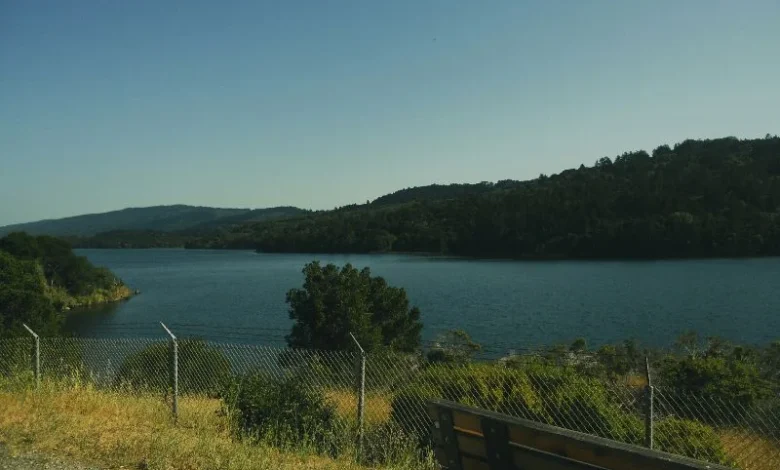
It rained hard. People grabbed umbrellas, streets flooded briefly, and for a moment it felt like the drought was finally breaking. But days later, water companies quietly confirmed that levels had dropped again, not risen. Reservoir levels fall, That gap between what we see falling from the sky and what actually reaches our taps is something most people never think about, until it starts affecting their own wettest day in months, the reality of restricted hosepipes and rising water bills.
Why a Downpour Doesn’t Fix Things Overnight
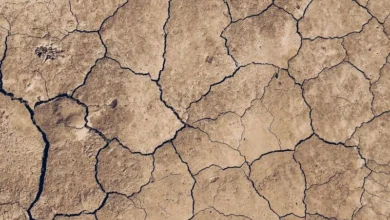
Here’s the part that surprises most people: soil that has been baked dry for weeks stops absorbing water properly. It hardens up almost like pavement. So instead of soaking into the ground and slowly making its way to rivers and catchments, the rain just skids across the surface and disappears down drains. That’s a big reason reservoir storage keeps sliding even right after a proper storm.
The Part Nobody Talks About: We Use More Water After It Rains
Odd as it sounds, warmer, humid weather right after rainfall tends to push people toward using more water, not less. Gardens get a top-up, pools get refilled, driveways get hosed down. Add in evaporation from warm reservoir surfaces, and whatever the storm added gets eaten up fast. Some reservoirs also have to release water downstream just to keep rivers healthy, which eats into the gains even further.
What This Actually Means for Your Household
Doesn’t matter if you’re in the UK, Australia, South Africa, or South Asia, the story tends to repeat itself. Local water restrictions usually stay in place well past a wet day, because water authorities are watching weeks of trends, not one lucky afternoon of rain.
A Quick Checklist Worth Keeping
- Check your local water provider’s app before watering the garden or washing the car.
- Report leaking pipes and drips as soon as you spot them.
- Set up a water butt to catch rainfall for outdoor use.
- Follow updates from your Environment Agency or municipal water body.
- Flag public leaks to your local council instead of ignoring them.
Conclusion – Reservoir levels fall
A big storm feels like victory, but reservoirs don’t work that fast. Real recovery needs steady rain over weeks, not one dramatic downpour. Keep an eye on your local water authority, keep your habits water conscious even after a wet day, and treat every storm as one small step forward, not the finish line.
Read more Climate Changes:
Which Hyderabad areas face worst heat?
Check the neighborhoods most vulnerable during extreme heatwaves in the city.
Which Indian cities face extreme heat?
Discover the regions across India at highest risk from rising temperatures.
Is major weather shift coming April?
Explore how upcoming weather changes could impact temperatures across India.
Which cities face climate risk 2026?
Check the urban areas under immediate environmental threat this year.
Why Chennai preparing early for heat?
Discover how Chennai is tackling rising temperatures and health risks early.