Kaziranga’s Shrinking Safety Buffer: What the Eco-Sensitive Zone Fight Really Means

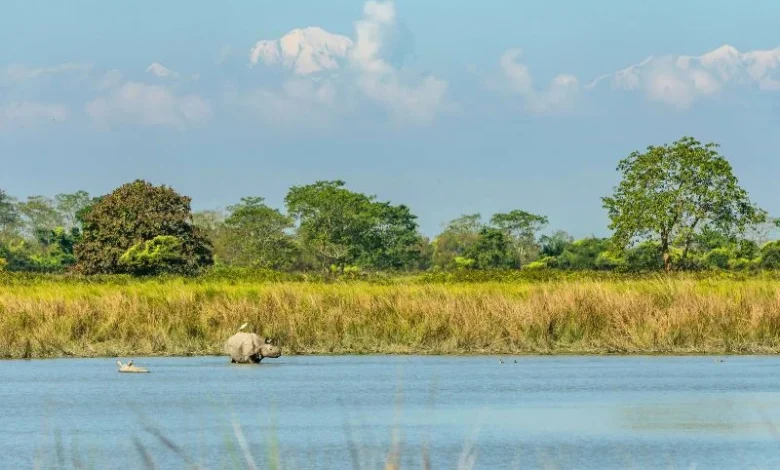
A rhino does not stay inside a map boundary just because a park sign says so. Kaziranga eco zone, That fact sits at the heart of the row unfolding around Kaziranga National Park in Assam, where the state wants to shrink its protective buffer, the eco-sensitive zone, from 10 km to just 1 km. Officials call it overdue clarity. Activists call it a retreat.
The Buffer, Explained Simply
An eco-sensitive zone is the ring of land around a protected forest where mining, heavy construction and polluting industry are restricted, so activity outside the boundary does not harm what happens inside. Kaziranga has never had this zone formally notified, so a default 10 km buffer applies, and that default is now the point of contention.
Why Assam Wants a Smaller Zone
Assam’s government argues the 10 km default is too wide, placing towns such as Bokakhat and Kaliabar inside a restricted area and freezing development. The state cites a 2022 Supreme Court order setting a 1 km minimum buffer nationwide, softened in 2023 once states said one rule could not fit every park. Officials say a formally notified 1 km zone will still keep mining and construction bans in force, just within a tighter radius.
Where the Objections Come From
- A 1 km ring leaves less room for river catchments and corridors that rhinos, elephants and tigers use beyond the park’s core.
- A Supreme Court-appointed panel has already reported illegal mining inside the existing buffer, raising doubts about enforcement.
- The timing coincides with proposed hotel projects nearby, feeding claims commercial interests are shaping the decision.
- Activists warn closer development could raise human-wildlife conflict.
Why This Matters Beyond Assam
Kaziranga holds most of the world’s surviving one-horned rhinos, so the outcome will shape how other Indian states handle parks awaiting ESZ notification. It also offers a case study for any country balancing tourism and habitat protection near a flagship reserve. What matters most is not the distance on paper, but whether bans hold up in the field.
Conclusion – Kaziranga eco zone
The debate is less about distance and more about trust, whether a smaller buffer with real enforcement can protect Kaziranga’s rhinos as well as a larger one that exists mostly on paper. That answer will only be clear once the zone is notified and tested against reality.
More Wildlife Adventures Await!
Why Visit Kaziranga National Park Today?
Discover why this iconic park is a paradise for wildlife lovers.
How Are Greece’s Wildfires Changing Nature?
Find out how wildfires are reshaping Mediterranean ecosystems.
What Makes Kerala’s Backwaters So Wild?
Dive into the rich birds, mangroves, and aquatic life thriving here.
Which Mongolia Parks Protect Rare Species?
Uncover hidden national parks preserving unique desert wildlife.
Which Kenya Safari Should You Experience?
Browse the top wildlife safaris for unforgettable nature encounters.