
The UK heatwave hit a perilous peak on Thursday, August 13, with temperatures hitting 38.1C at Kew Gardens. A Stourbridge wildfire, West Midlands, spread from dry grass to homes on the same day. The incident demonstrated how quickly extreme heat and dry conditions can turn a grass fire into a serious community emergency.
What was the case in Stourbridge?
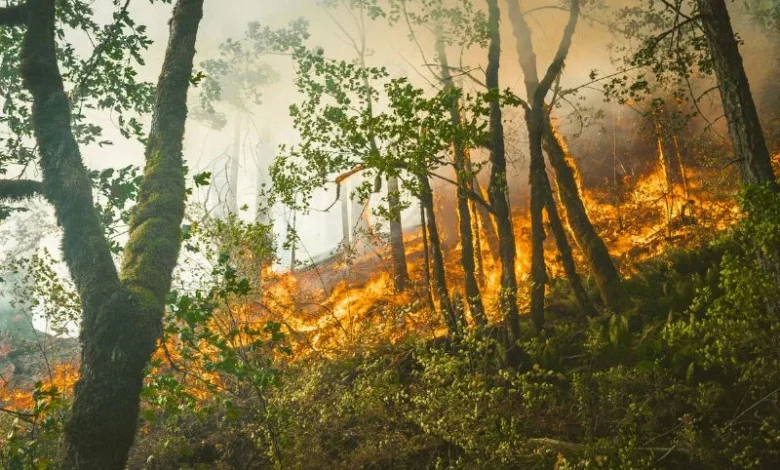
The fire in Stourbridge has impacted a number of properties in the vicinity of Ounty John Lane, Racecourse Lane and Stourbridge Road. Firefighters fought a fast-moving fire across large swaths of grass.About 60 firefighters and numerous fire engines attended. Local travel was hampered by smoke and falling trees, and six homes were reported damaged. Some other properties nearby also had power problems.
Firefighters were battling a number of fires throughout the West Midlands at the same time, making it all the more difficult.
What caused the UK heatwave to raise the risk of fire?
Wildfires are not simply caused by hot weather. But extended spells of heat can desiccate grass, shrubs and other plants to the point of being highly flammable.The West Midlands had had weeks of hot, dry weather leading up to the Stourbridge incident. Much of England was also suffering drought conditions, leaving landscapes less moist than normal.When a fire begins, flames can spread quickly through dry vegetation. Wind makes things even more difficult to control.
Stourbridge blaze hits homes
The biggest concern in Stourbridge was the movement of the fire toward residential properties. Homes near open grassland may be more at risk if the vegetation becomes extremely dry.When flames leap quickly, there is little time for residents to react. Smoke can also be a health hazard, particularly for children, seniors and people with breathing problems.“Emergency services are therefore asking people in affected areas to heed evacuation orders and stay away from the fire.”
How to survive extreme heat
People living in grassland, woodland or open countryside areas can take simple precautions during severe heat.
• Clear dead vegetation and dry leaves from gardens.
• Avoid outdoor fires and disposable barbecues during high-risk times.
• Don’t toss cigarette butts on dry grass.
• Have emergency contacts and necessary medicines ready.
• Immediately follow local evacuation advice.
• Follow official updates from the Met Office and your local fire service.
These measures cannot prevent all fires, but they can help reduce unnecessary risks and improve household preparedness.
A Warning of Britain’s Evolving Fire Danger
The Stourbridge wildfire was one of a number of fires across Britain during the extreme heat Kew Gardens recorded, 38.1°C, making August 13 the hottest day of 2026 so far, the Met Office said. The event also put a great deal of pressure on the emergency services. There were several large fires reported across the country and firefighters battled the blazes in difficult conditions.
Conclusion
The UK heatwave and Stourbridge wildfire are a stark warning of the risks of prolonged hot and dry weather. Extreme weather is becoming more challenging, but enhanced public awareness, careful land use planning and swift emergency response can help protect communities.
Explore more wildfire insights.
Are California’s Fire Plans Working?
Check out the latest prevention efforts.
Why Did Chile Declare Emergency?
Find what triggered the wildfire crisis.
Which Countries Face Most Wildfires?
Browse the global wildfire hotspots.
Can AI Fight Natural Disasters?
Discover how technology improves emergency response.