
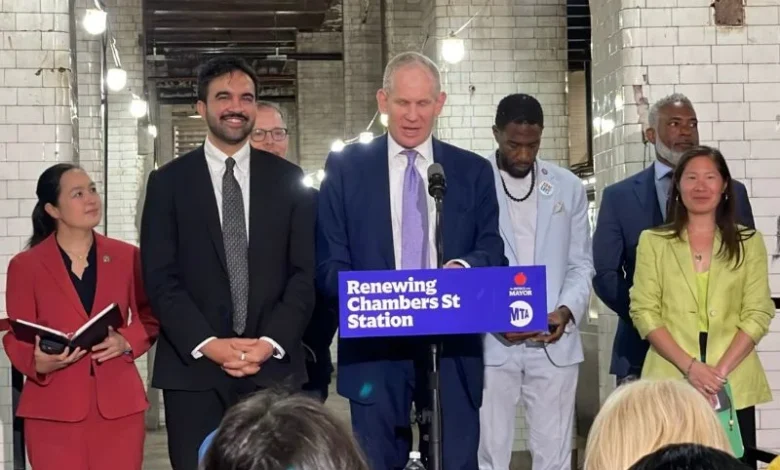
Anyone who has waited for a train in New York during August knows a platform can feel hotter than the street above it. NYC subway thermal energy cooling, New York City, Governor Kathy Hochul, and the Metropolitan Transportation Authority have now announced a pilot to test whether thermal energy networks can cool those stations, and put the heat they remove to good use elsewhere.
What Is a Thermal Energy Network?
A thermal energy network does not create cold air the way an air conditioner does. It moves heat from one place to another. Chilled water runs through pipes or panels built into the platform’s walls, ceiling, or floor. As the water circulates, it draws heat out of the surrounding air and surfaces. Radiant cooling, which can be 25 to 35 percent more energy efficient than traditional air conditioning, removes heat by circulating chilled water through panels or tubing embedded in floors, allowing cool surfaces to absorb heat directly. That absorbed heat is not wasted. The proposed geothermal network would capture, store, and redirect the excess heat that builds up in the station to nearby municipal buildings.
Why Subway Stations Get So Hot
Underground stations trap heat from several sources at once, including braking trains, signal and communication equipment, and the air conditioning units on trains, which cool the cars but push warm air out onto the platform. Officials have described the stations as turning into “underground saunas” during summer months. The pilot will focus on the connected Brooklyn Bridge-City Hall and Chambers Street stations in Lower Manhattan. The Chambers Street site is well suited to the study because its abandoned center platform allows the MTA to test the technology without disrupting passengers.
How the Study Will Move Forward
The feasibility study is expected to cost about $800,000 and is being funded by the New York State Energy Research and Development Authority, with a contract expected to be awarded this fall. If the geothermal technology proves feasible, design work could begin as early as 2027. Should the project eventually be built, officials say it would be the first thermal energy network installed in a transit system anywhere in the country.
Why This Matters Beyond New York
Heat trapped underground is not only a New York problem. Cities with older subway or metro systems, from Manila to Mumbai to London, face similar conditions, and few have found affordable ways to fix it without tearing up entire stations. Thermal energy networks are already used at several hospitals and universities, where they move heat between buildings and reduce reliance on fossil fuels. Applying that same idea to a working transit system, rather than a single campus, is what makes this pilot significant for cities worldwide watching how older infrastructure can be adapted rather than replaced.
Conclusion – NYC subway thermal energy cooling
This is still an early-stage study, not a finished fix, but it points to a practical way of treating wasted underground heat as a resource instead of a nuisance. If the Lower Manhattan pilot works, it could shape how transit systems everywhere handle heat, cooling platforms in summer while warming buildings in winter, without building an entirely new cooling system from scratch.
Extreme heat is changing how people live worldwide.
Which Countries Face Year-Round Heat?
Check out the hottest places.
How Is Heat Reshaping Daily Life?
Find out what’s changing fastest.
Why Is East UP Still Sweltering?
Uncover why rain isn’t cooling towns.
What Are Tropical Nights Exactly?
See simple ways to stay cooler.
Which Household Products Become Dangerous?
Explore heat-related safety risks at home.