Top 10 Lakes and Seas That Have Shrunk the Most in History
Discover the top 10 lakes and seas that have shrunk the most in history, why they disappeared, and the environmental impacts shaping our planet today. Learn more!

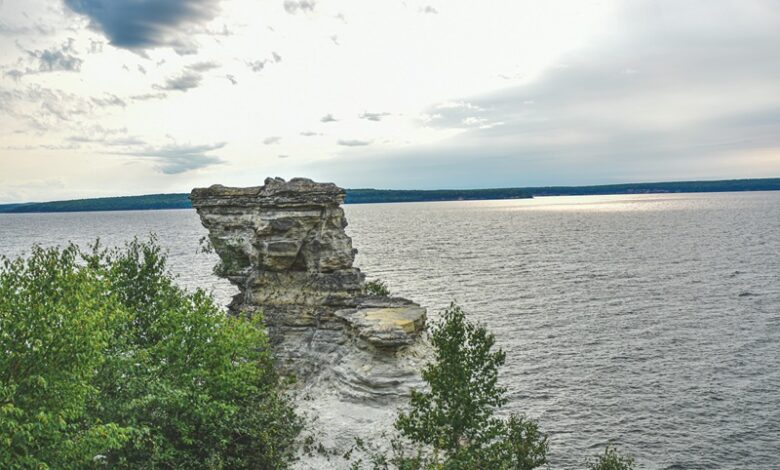
Some of the world’s largest lakes and seas have shrunk dramatically from their former boundaries. Water diversions, over-use, extended drought and climate change are responsible for their decline. Disappearing waters are a stark reminder of how quickly landscapes can change due to human activity and shifting weather.
1.Aral Sea, Central Asia
The Aral Sea is still one of the most glaring examples of environmental degradation in history. Once the fourth largest lake in the world, it started shrinking rapidly after rivers feeding it were diverted for large-scale irrigation in the 1960s. Some of the old sea floor is now a desert.
2. Lake Chad, in Africa
UNEP says Lake Chad has shrunk by about 90 percent since the 1960s. It is shared between Chad, Niger, Nigeria and Cameroon, and supports communities that depend on fishing, farming and livestock. Drought, water use and climate pressures have driven big changes.
3. Lake Urmia in Iran
Lake Urmia was once a massive lake in north-western Iran. Severe shrinkage has been caused by reduced river inflows, water consumption and repeated droughts. Its exposed saltbed can be an environmental challenge to neighbouring communities.
4. Owens Lake, USA
Most of California’s Owens Lake was drained by diverting the rivers that fed it to bring water to Los Angeles. “Exposing large areas of the lakebed created serious dust problems.
5. Lake Poopó, Bolivia
Lake Poopó used to be Bolivia’s second-largest lake. Dramatic decline due to water diversions, drought and climate change left much of its former basin dry.
6. US: Utah’s Great Salt Lake
Utah’s Great Salt Lake is rapidly losing water as drought, warming and human water use reduce inflows. Its decline threatens the birds, the wetlands, and the region’s wider ecosystem.
7. Mid East, Dead Sea
The Dead Sea has been steadily shrinking as less fresh water has been flowing into it. Water extraction and changing conditions in the region have been cited as causes of the falling levels, while the exposed areas have been plagued with mounting environmental problems.
8. Lake Hamun, Iran-Afghan Border
Due to less water availability, drought and changing river flows, Lake Hamun has been subjected to repeated severe drying. Its fall has impacted wetlands, wildlife and communities nearby.
9. Lake Faguibine, Mali
Lake Faguibine, part of the Niger River system, has undergone dramatic fluctuations and extended periods of desiccation. Lower flood levels, drought and altered water conditions have damaged traditional fishing and farming practices.
10. Tulare Lake, The US
Tulare Lake in California, which once covered a large area before water was diverted for agriculture. Today it is mostly a dry basin but in exceptional rains the water can return temporarily.
Why It Matters That These Lakes and Seas Are Drying Up
It’s not just a visual change that these lakes and seas are shrinking. It can destroy fish habitat, harm wetlands, increase dust, and threaten local economies. UNEP says more than half the world’s large lakes and reservoirs have shrunk since the 1990s.
People can help by reducing unnecessary water use, supporting wetland restoration, and following local conservation rules. Governments also need to plan their water better, irrigate more efficiently and give stronger protection to natural sources of water.
Explore more future-ready stories.
How Will Korea Cut Carbon?
Check out the coal phase-out strategy.
Which Countries Beat Urban Heat?
Find the leading cooling initiatives.
Which Cities Are Climate Ready?
Browse the smartest infrastructure projects.
Where Can Vegans Eat Best?
Discover top plant-based food destinations.
Which Cities Redefine Public Spaces?
See the world’s most innovative urban designs.
Conclusion
The tale of the world’s diminishing lakes and seas is a cautionary story about finite freshwater resources. These landscapes can recover if communities, governments and industries are more careful with their water. If we protect remaining water today, we can prevent tomorrow’s environmental losses.