Tyrannosaurus Rex Fossil Becomes World’s Most Expensive Dinosaur
Tyrannosaurus Rex fossil becomes the world's most expensive dinosaur after a $50.1 million auction, reshaping fossil collecting and museum debates.

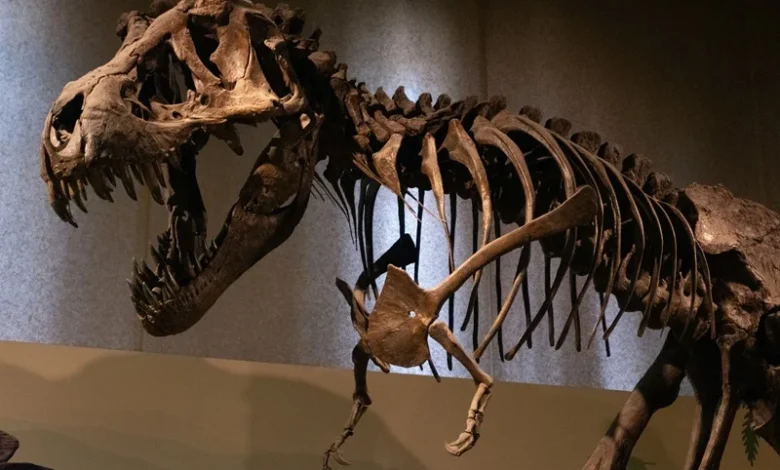
A skeleton that once walked the earth 67 million years ago has just made history in a New York saleroom. An auction of a Tyrannosaurus rex fossil named Gus fetched $50.1 million, the most expensive dinosaur fossil at auction. The sale is more than a tale of old bones. It’s a sign of how natural history has quietly morphed into a global investment category.
How the Record Sale Went Down
Gus was unearthed on a cattle ranch in South Dakota, in a region called the Hell Creek Formation, a place legendary among fossil hunters for yielding some of the best-preserved dinosaur remains on the planet. The skeleton is 38 feet long and 12.5 feet high, with a skull 54 inches long. It consists of 183 bone elements, or about 61 percent complete by bone count, which is very high for a specimen of this size.
Sotheby’s in New York had estimated the sale price at around 20 to 30 million dollars. Instead, seven bidders drove the price up to over 50 million dollars in just ten minutes. That easily surpassed the previous dinosaur fossil record, a stegosaurus named Apex that sold for $44.6 million in 2024, and the T. rex known as Stan, which sold for $31.8 million in 2020 and later went on display in Abu Dhabi.
Why Dinosaur Fossils Are Going Big Business
Fossils are increasingly becoming like fine art or rare classic cars that collectors buy for prestige, decoration and long-term value. There are a number of reasons for this:
•Wealthy buyers are looking for physical rarities that can’t be copied or mass-produced.
•Science and natural history are being sold with gusto in auction houses alongside paintings and jewellery.
•Museums in emerging regions like the Middle East and Asia are struggling to show blockbuster exhibitions.
•Rare fossils have become viral, shareable status symbols thanks to social media.
What this means for science and museums
And not everyone is cheering. Many paleontologists fear that record prices are pushing rare specimens out of public research and into private homes, where they may never be properly studied. Some collectors have responded to this by loaning fossils to museums, which was the case with both Stan and Apex, but there is no law that requires a private owner to share a fossil with the public.
A short guide for curious fans and collectors
If this story has gotten you interested in fossils, here’s an easy way to responsibly get in on the trend:
•Stop chasing ownership; go see a natural history museum near you.
•To keep abreast of forthcoming natural history sales, follow reputable auction houses online.
•Support institutions that are fighting to keep fossils open to researchers and the public.
•Beware of non-authenticated fossil dealers, as authentication is still limited in the fossil market.
Final Conclusions
The sale of Gus shows that dinosaur bones have left the dusty museum halls and entered the world of high finance. What happens next will depend on what buyers do with it, whether it benefits science or merely fills the wallets of private collectors. One thing is clear, the age of the record breaking dinosaur fossil sale has only just begun.
Discover more wildlife and nature stories.
How Serious Is Victoria’s Bird Flu?
Check out the latest wildlife concerns.
How Do Earthquakes Impact Wildlife?
Find the hidden effects on ecosystems.
Why Visit Kaziranga National Park?
Explore its incredible wildlife experiences.
What Lives In Kerala Backwaters?
Uncover the rich wetland biodiversity.
Which Mongolia Parks Hide Wildlife?
Browse rare desert species and habitats.