Zoopharmacognosy Explained: How Wild Animals Use Plants and Natural Remedies to Heal Themselves
Zoopharmacognosy reveals how wild animals use plants, clay and natural remedies to fight disease, heal wounds and inspire modern medicine research worldwid

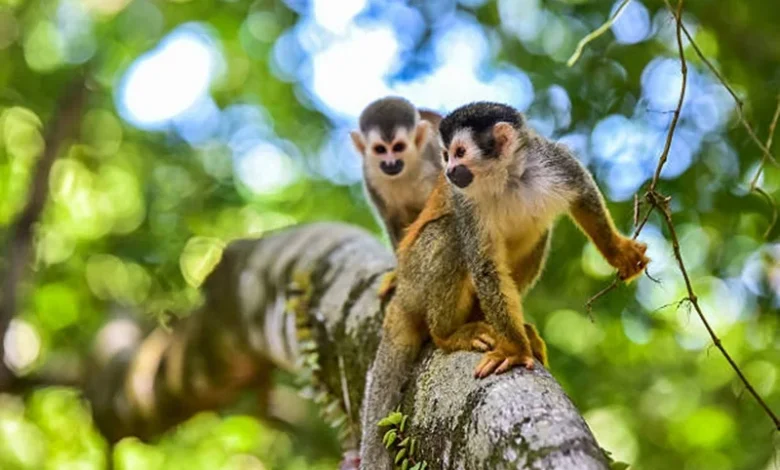
Long before humans ever wrote the first medical text, animals had been curing their own illnesses with whatever nature had on hand. This behaviour is called zoopharmacognosy, and explains how wild animals across the world choose certain plants, soils and even insects to combat parasites, heal wounds and relieve sickness. It’s one of nature’s oldest drugstores, and scientists are only now beginning to understand how it works.
What is Zoopharmacognosy ?
Zoopharmacognosy is the study of animals using plants, fungi and other natural materials to treat or prevent disease.The word is derived from Greek roots meaning ‘animal’, ‘drug’ and ‘knowledge’. Simply put, it’s the study of animal self-medication. If you have a dog, you’ve probably seen the basics of this: a dog eating grass to soothe an upset stomach or to throw up something it didn’t agree with. But this instinct goes much deeper across the animal kingdom than many of us realise.
How Various Animals Heal Themselves
Scientists worldwide have recorded extraordinary cases such as:
•In Uganda, chimpanzees chew the bitter pith of certain plants, which are thought to help them fight parasites and reduce inflammation.
•In Indonesia, orangutans have been observed chewing leaves into a paste and applying it directly to open wounds.
•And in some parts of Africa elephants eat certain leaves which are said to help bring on labour when they are about to give birth.
•Ethiopia’s baboons eat leaves to avoid flatworms, which cause a serious parasitic disease.
•Regularly eating clay is common for macaws and parrots, and it’s thought to help bind toxins and aid digestion.Insects do this too.
Monarch butterflies infected with parasites will often lay their eggs on select milkweed plants that protect their offspring against the very same infection.
Implications for human medicine
Traditional healers in many cultures have long observed the behaviour of animals to discover new remedies. Some historical accounts say healers watched elephants, storks and other animals treat their own wounds and then used similar plants on humans. Today, modern researchers study these same plants for their potential antibacterial, antiparasitic and even anti-tumour properties in the hope that animal wisdom may lead to future drugs.
A Simple Checklist for Understanding Animal Self-Medication
•Prophylactic behaviour is when animals medicate themselves before they become ill.
•Look for therapeutic behaviour when animals treat themselves when they are ill or injured.
•Watch out for strange food choices when you’re sick. Eating something outside your normal diet.
•Note the topical application, like rubbing the plant paste on a wound.
•Most evidence comes from careful, long-term field observation, not laboratory testing.
Conclusion
Zoopharmacognosy tells us that healing instincts are not human. Animals around the world, from forest chimpanzees to garden dogs, quietly practise their own brand of natural medicine, often guided by instincts honed over millions of years. As scientists continue to study these behaviours, wild animals may have a thing or two to teach modern medicine. Long before we learned to read it, nature had been writing its own book of pharmacy.
More Wildlife Adventures Await!
Why Visit Kaziranga National Park Today?
Discover why this iconic park is a paradise for wildlife lovers.
How Are Greece’s Wildfires Changing Nature?
Find out how wildfires are reshaping Mediterranean ecosystems.
What Makes Kerala’s Backwaters So Wild?
Dive into the rich birds, mangroves, and aquatic life thriving here.
Which Mongolia Parks Protect Rare Species?
Uncover hidden national parks preserving unique desert wildlife.
Which Kenya Safari Should You Experience?
Browse the top wildlife safaris for unforgettable nature encounters.