Mangroves and Their Vital Role in Protecting Coastal Ecosystems in the Philippines

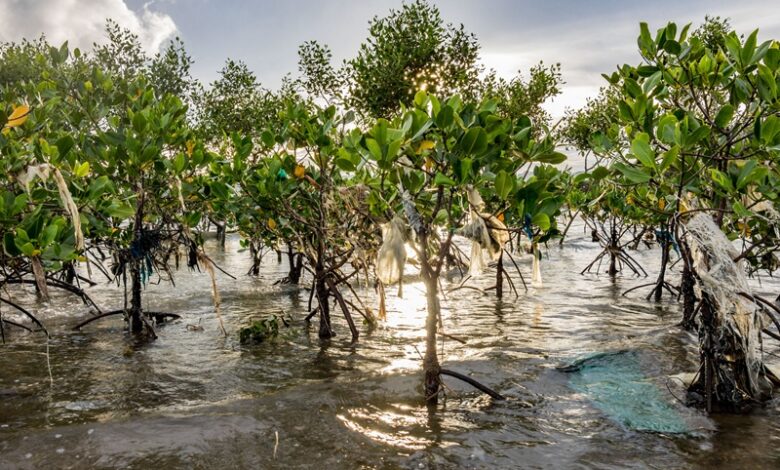
Along the edges of thousands of Philippine islands, a quiet green wall stands between coastal villages and the open sea. That wall is made of mangroves, and for millions of Filipino families living near the water, it is one of the most important, and most overlooked, forms of protection they have.
Why Mangroves Matter More Than Most People Realise
Mangroves are trees and shrubs that grow in salty, muddy coastal waters, where few other plants can survive. Their tangled roots do far more than hold soil in place. They break the force of waves before they reach the shore, slow down storm surge during typhoons, and trap sediment that would otherwise wash away farmland and fishponds. In a country that faces around twenty typhoons a year, this natural buffer is not a luxury. It is a frontline defence.
Mangroves as the Backbone of Coastal Ecosystems
Mangroves are more than a storm barrier. They are nurseries for sea life. Baby prawns, crabs and many commercially caught fish spend their juvenile life amongst the roots, where they are safe from predators, before moving out into open water. That’s why fishing communities near healthy mangrove areas often report more consistent catches than those near degraded coastlines. The health of these coastal ecosystems is closely tied because mangroves also filter out pollutants and excess nutrients before they get to coral reefs and seagrass beds. Take out the mangroves and often reefs and fisheries further out suffer too.
There is also a climate angle. Mangrove soil stores carbon at a much higher rate than most land forests, which is why scientists increasingly refer to this as “blue carbon.” The Philippines has recently formalised a national roadmap to measure and protect this carbon, recognising mangroves as a serious climate asset, not just a coastal curiosity.
The Threats Facing Philippine Mangroves
Despite their value, mangroves keep disappearing due to fishpond conversion, illegal cutting for charcoal or construction, and land reclamation for infrastructure projects. Even well-meaning development sometimes puts pressure on remaining stands.
Explore More: Discover the Ideas and Innovations Shaping Tomorrow
Which Technologies Will Transform Industries Next?
Discover the breakthrough technologies that could reshape traditional industries and the future of work.
Why Are Wetlands So Important Globally?
Explore the world’s most important wetlands and learn why they are vital for nature and humanity.
Can Innovation Improve Renewable Energy Reliability?
Check out the latest innovations making renewable energy cleaner, smarter, and more dependable.
Which Countries Lead Green Living?
Discover the 2026 ranking of the world’s greenest countries and their sustainability achievements.
How Are Cities Fighting Climate Change?
Explore the cities investing in climate-resilient infrastructure to prepare for a changing future.
What Coastal Communities Can Do
- Join or support barangay-led mangrove planting and rehabilitation drives, often coordinated with DENR field offices
- Report illegal cutting or reclamation activity to local environment officers
- Choose sustainable, small-scale fishing practices that avoid trampling young mangrove seedlings
- Support community-based mangrove forest management, where locals manage and protect an area under an approved plan
- Follow updates from local government and DENR on mangrove zoning and greenbelt rules before starting any coastal project
Conclusion
Mangroves are more than just coastal scenery. They are infrastructure that protects homes from storms, supports fishing families and quietly extracts carbon from the air. “Protecting these coastal ecosystems does not need a national budget immediately. It begins in the barangay nurseries, in prudent fishing habits, in communities that will not allow this green wall to disappear. Healthy mangroves today mean safer, more resilient coasts tomorrow.