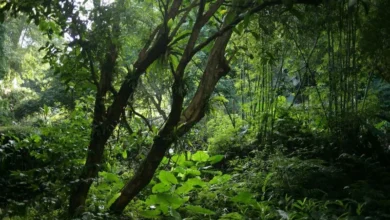

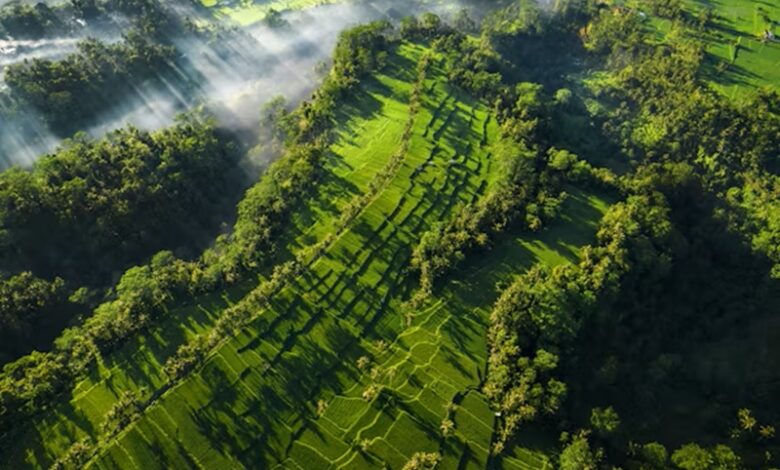
Tropical forests have always acted as natural air conditioners for Southeast Asia. But new research shows even the shadiest, most untouched forests are heating up fast, and the consequences reach far beyond the trees themselves, into the villages, farms and water systems that depend on them.
Why Forest Heat Matters More Than You Think
A tropical forest canopy blocks sunlight and traps moisture, keeping the ground below several degrees cooler than open land. Scientists studying dozens of forest sites across the region found that by 2050, peak daytime temperatures under the canopy could rise by roughly 1.4 to 2.3 degrees Celsius. That may sound small, but for species that have evolved in stable, shaded conditions, it is enough to push many toward the edge of what they can survive.
How Rising Temperatures Are Reshaping the Region
Southeast Asia is also bracing for a possible strong El Niño later in 2026, which could bring longer dry spells, lower river and reservoir levels, and higher wildfire risk in places like Sumatra and Kalimantan. Combined with ongoing logging and land clearing, this creates a double blow. Thinner forest cover lets in more heat, and hotter, drier conditions make forests more likely to burn or degrade further. Researchers have also linked forest loss directly to human health risks, with heat related deaths in deforested tropical areas running higher in Southeast Asia than almost anywhere else in the world.
Implications for Local Communities
Forests are an important source of food, clean water and income for millions of people across the region, including farmers, fisherfolk and indigenous communities. When forests get hotter and shrink, water sources dry faster and crop yields become less predictable. This isn’t some distant environmental problem. It is a livelihood issue on a real time basis.
Simple Ways Communities and Readers Can Respond
While national policy takes time to catch up, there are practical steps that matter now:
- Support and follow local forest and river monitoring groups, often active on community Facebook pages or village bulletin boards
- Avoid contributing to informal logging or land clearing where possible
- Back local reforestation and agroforestry programs run by community cooperatives
- Stay alert to heat and drought advisories issued by national weather agencies
- Choose sustainably sourced wood and palm products when shopping
Explore More: Discover the Ideas and Innovations Shaping Tomorrow
Which Technologies Will Transform Industries Next?
Discover the breakthrough technologies that could reshape traditional industries and the future of work.
Why Are Wetlands So Important Globally?
Explore the world’s most important wetlands and learn why they are vital for nature and humanity.
Can Innovation Improve Renewable Energy Reliability?
Check out the latest innovations making renewable energy cleaner, smarter, and more dependable.
Which Countries Lead Green Living?
Discover the 2026 ranking of the world’s greenest countries and their sustainability achievements.
How Are Cities Fighting Climate Change?
Explore the cities investing in climate-resilient infrastructure to prepare for a changing future.
Conclusion
Southeast Asia’s forests have quietly protected people and wildlife from extreme heat for generations. That protection is now under strain. Governments, conservation groups and everyday citizens all have a role to play in easing the pressure, whether through supporting reforestation, reducing demand for cleared land, or simply staying informed. Protecting these forests today is protecting the region’s water, food and health tomorrow.