Petrol Pump Confusion: What E20 Ethanol-Blended Fuel Really Means For Your Bike and Budget

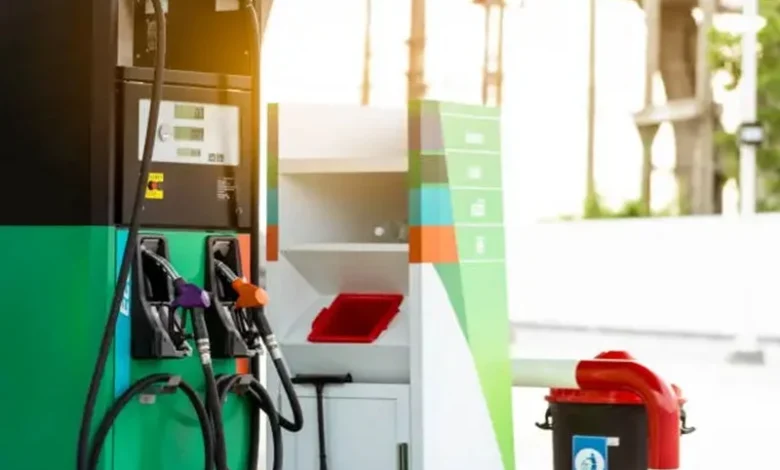
Most riders in India didn’t choose ethanol blended petrol. It simply started showing up at the pump one day, mixed quietly into regular petrol, and now it is the national standard. If you have noticed your bike’s mileage dropping slightly or seen “E20” written on a fuel dispenser, you are not imagining things. Here is what this fuel actually is, and what it means for your daily commute and wallet.
What Is Ethanol Blended Petrol?
Normal petrol mixed with ethanol, an alcohol produced from crops such as sugar cane, maize and surplus rice. Under India’s Ethanol Blended Petrol (EBP) programme, the country reached its 20% blending target, called E20, well ahead of schedule, and E20 became the mandatory base fuel at most pumps starting April 2026. That means most two-wheelers, cars and autos on Indian roads are now running on a fuel that is one-fifth ethanol.
Why the Government Pushed This Change
India imports over 85% of its crude oil, which drains foreign exchange reserves every year. Ethanol blending was designed to cut that import bill while giving farmers a steady buyer for surplus sugarcane, maize and rice. The programme has reportedly saved the country more than ₹1.5 lakh crore in forex and paid over ₹1 lakh crore directly to farmers since it began. It also lowers tailpipe emissions compared to pure petrol.
The Real Advantages
- Cuts India’s dependence on imported crude oil
- Creates a steady income stream for sugarcane and grain farmers
- Slightly cleaner exhaust emissions than pure petrol
- Domestically produced, so supply is less exposed to global oil price shocks
The Drawbacks Riders Actually Feel
- Mileage can drop by roughly 3 to 6 percent compared to pure petrol, since ethanol carries less energy per litre
- Older two-wheelers and cars (pre-2023 models) may face rubber seal or fuel line wear if not E20-compatible
- Engines may run slightly hotter and need more frequent servicing checks
- Fuel absorbs moisture faster, which can be an issue for vehicles left idle for long periods, common with rural and seasonal farm equipment
A Quick Checklist Before Your Next Fill-Up
- Check your vehicle’s manual or fuel cap for an E20/E10 compatibility sticker
- If your two-wheeler is older than 2023, ask your mechanic during the next service whether rubber components need upgrading
- Avoid letting fuel sit unused in the tank for months, especially for tractors, gensets or old scooters
- Track your mileage for two weeks after a full tank to spot any real change
- Use BPCL, HPCL or IOCL mobile apps to locate the nearest pump and check current fuel blend information
Conclusion
Ethanol blended petrol is not going away, and for most riders it is a fair trade: slightly lower mileage in exchange for lower fuel imports and better farmer incomes. The smartest move is not to resist the shift but to service your vehicle for E20 compatibility and track your own mileage instead of relying on rumours. A well-maintained engine barely notices the difference, so get your bike checked before your next long ride, not after it breaks down.
Learn more about reducing your carbon footprint.
Which Food Has Lower Emissions?
Find out how beef, chicken and tofu compare for climate impact.
Is AI Hurting The Environment?
Uncover the hidden carbon cost behind today’s smart technologies.
How Can You Cut Emissions?
Check out simple daily habits that help shrink your carbon footprint.
What Are The Best Green Habits?
Browse practical steps to reduce your environmental impact every day.
How Are Deliveries Becoming Greener?
Explore how carbon-neutral logistics are changing urban transportation.