
The ‘5 PM Storm’ Pattern: Why Evening Thunderstorms Are Becoming More Common Across North India
5 PM Storm Pattern is causing more evening thunderstorms across North India in 2026 as heat, moisture and unstable air trigger sudden storms.

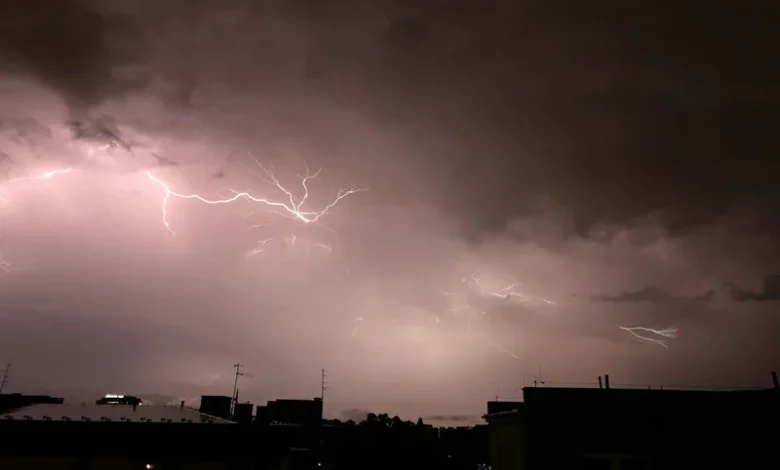
Many people in the area refer to the “five o’clock storm” or storm pattern, which indicates that thunderstorms can pop up very rapidly after a very hot day; they call it this because they are often caught off guard by how quickly and violently thunderstorms can form when the temperature of that hot, overheated day reaches its maximum level.
Meteorologists will tell you that these storms happen because the atmosphere is now carrying much more heat, moisture, and instability than before.
Why Thunderstorms Are Forming in the Evening
1) Daytime Heat Peaks by Late Afternoon
As the sun beats down during the day:
• the temperature of the surface (roads, buildings, land, city surfaces) heats up;
• the temperature of the surroundings is heating up;
• and then the surrounding temperatures are at the offering or maxima;
When the temperatures reach their “due maximum” in the afternoon, things start to heat up. When the atmospheric instability has reached its maximum, there are ideal conditions for the development of thunderstorms.
2) Moisture Collides With Super-Heated Air
During pre-monsoon or pre-monsoon months, the moisture from the Indian Ocean (Bay of Bengal) and other areas is being drawn into northern India. When the moisture reaches the super-heated and over-heated air:
• thunderstorms can develop quickly;
• a strong system of winds generates;
• the level of electricity generation (lightning) can be drastically altered in short periods of time;
Therefore, this moisture generates sufficient energy for the development of an evening thunderstorm.
3) Cooling Air Above Creates Instability
As the upper atmosphere (where thunderstorms are formed) remains at a lower temperature than the lower atmosphere (surface), the temperature difference increases convection by creating a high-energy environment and creating instability.
Therefore, the storms:
• develop rapidly (occur instantaneously);
• generate more energy;
• develop excessive amounts of rain and electricity in relatively short amount of time.
Heatwaves, Storms & Weather Shifts Across South Asia
Check measles wet bulb risk Dhaka heat?
Explore how extreme humidity worsens health risks.
Explore Karachi heatwave heatstroke symptoms?
Discover warning signs and how to stay safe.
Discover North India sudden cooling clouds?
Check why temperatures dropped and what’s next.
Check hailstorms districts UP Bihar Delhi?
Explore areas expecting rain and sudden weather changes.
Explore Gujarat storms after heatwave why?
Discover why extreme heat triggers thunderstorms.
Final Words
The “storm at 5 PM” trend in the North is inherently unstable and more reactive, indicating increasing levels of energy accumulating in the atmosphere during a given day and then releasing that energy suddenly in an evening thunderstorm(s) in that area.
FAQs
1. Why do storms occur after a hot afternoon?
Because there will be significant instability to the environment because of the hot afternoon, this instability will peak around the evening.
2. Why are there so many thunderstorms occurring in the evening?
Because of the amount of heat generated during heatwaves in combination with an increased amount of moisture in the air, which is conducive to the formation of thunderstorms.
3. Are these rains from the monsoon?
No, they are mainly due to pre-monsoon convective storms.
4. Will this trend continue?
The answer to this question is probably yes, and the continued occurrence of these thunderstorms will occur through the time that the monsoon has completely settled the atmosphere.