
Window AC vs Split AC in a Heatwave: Which One Cools Faster and Costs Less to Run in 2026?
Window AC vs Split AC comparison for 2026 heatwaves. Know which AC cools faster, saves electricity, costs less, and offers better performance.

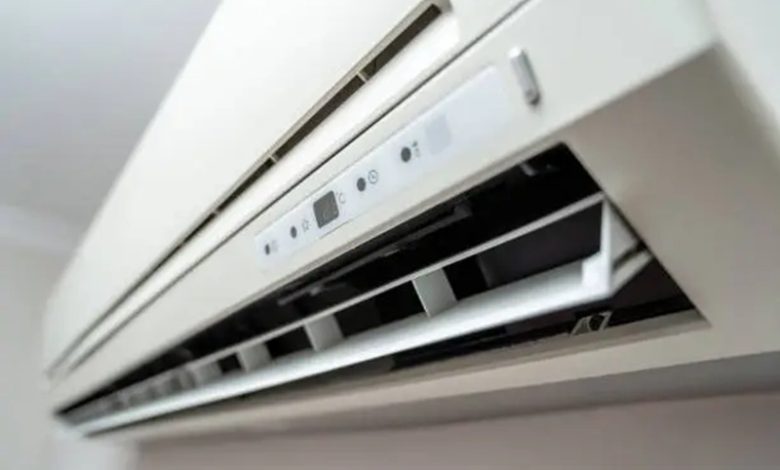
As heatwaves push temperatures above 40°C across many regions, homeowners are asking a familiar question: Should you buy a Window AC or a Split AC? While both can cool a room effectively, there are important differences in cooling speed, energy efficiency, noise levels, and long-term operating costs.
Which AC Cools Faster?
For a small room, a properly sized Window AC can cool the space surprisingly quickly because all components are housed in a single unit.
However, modern Split ACs generally provide:
- Better air distribution
- More uniform cooling
- Higher airflow
- Better performance in larger rooms
In extreme heat, a 1.5-ton Split AC often maintains comfortable temperatures more efficiently than a comparable Window AC.
Electricity Cost Comparison
The biggest difference appears on your electricity bill.
While actual bills vary by electricity tariff and usage, inverter Split ACs are generally more energy-efficient than conventional Window ACs.
Noise Levels
Window AC
- Compressor located inside the unit
- More noticeable operating noise
- Can be disruptive during sleep
Split AC
- Compressor installed outdoors
- Quieter indoor operation
- Better suited for bedrooms and home offices
Installation Costs
Window AC advantages:
- Lower purchase price
- Easier installation
- Minimal structural modifications
Split AC advantages:
- Better aesthetics
- Flexible indoor placement
- Higher energy efficiency
However, Split AC installation usually costs more due to copper piping and outdoor unit mounting.
Which Is Better During a Heatwave?
Choose a Window AC if:
- You need the lowest upfront cost
- The room is small
- Installation options are limited
Choose a Split AC if:
- You use AC daily
- Energy savings matter
- You want quieter operation
- You live in areas with prolonged heatwaves
Stay Updated With The Latest Trends & Smart Choices
1. Drinking Enough Water During Heatwaves?
Explore the warning signs of dehydration and learn how to maintain proper hydration during extreme summer temperatures.
2. Are EV Plans Changing Worldwide Now?
Discover why major companies are shifting EV strategies and choosing hybrid technology for future mobility.
3. Want to Save More With EVs?
Check the best affordable electric vehicles, charging expenses, and ownership benefits for Indian buyers.
4. Can Heat Damage Your EV Battery?
Explore how extreme summer conditions impact EV batteries and solar panels with simple protection tips.
5. Why Are EV Sales Rising Fast?
Discover the latest EV trends, budget options, charging costs, and battery warranty details before buying.
Final Verdict
For occasional use and tight budgets, a Window AC remains a practical option. However, for households facing long, intense summers and daily AC usage, a modern inverter Split AC usually cools more evenly, operates more quietly, and costs less to run over time. In 2026, the higher initial investment in a Split AC is often offset by lower electricity bills and improved comfort during extreme heat.
FAQs
Which AC cools a room faster?
Both can cool effectively, but Split ACs generally provide more even cooling and better airflow.
Is a Window AC cheaper to buy?
Yes. Window ACs usually have lower upfront costs.
Which AC consumes less electricity?
Modern inverter Split ACs are typically more energy-efficient.
Are Split ACs quieter?
Yes. The compressor is located outside the room, reducing indoor noise.
Which is better for heatwave conditions?
For daily use during prolonged heatwaves, a high-efficiency Split AC is usually the better long-term choice.