How Sewage And Plastics Are Reshaping Lagos Waters
Urban sewage and plastic debris are reshaping Lagos waters, pushing fishing communities to the frontlines of contamination, income loss, and daily survival risks.

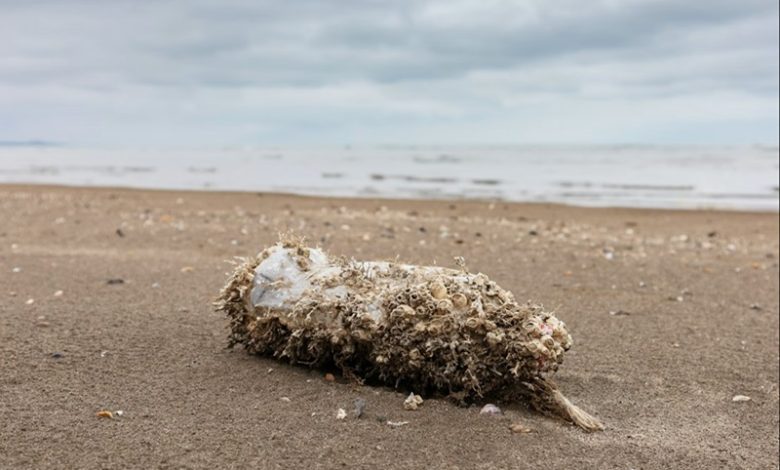
Lagos Lagoon feeds and employs people long before it shows up in policy speeches. For fishers in Makoko and other waterfront settlements, “pollution” isn’t an abstract climate word. It is the day’s catch smelling wrong, nets snagging on sachet-water nylon, and oily foam where children learn to paddle. When heavy rains flush street waste and untreated wastewater into the lagoon, the water becomes the city’s overflow channel, and fishing families absorb the shock first.
How Sewage, Dredging, And Plastics Stack The Odds Against Fishers
Wastewater pushes bacteria and chemical loads into shallow creeks where fish breed, while plastics fragment into microplastics that move through food chains. Lagos tried to slow the stream with a single-use plastics ban that began July 1, 2025, but reporting shows uneven enforcement and daily dependence on cheap takeaway packaging.
At the same time, dredging and reclamation reshape the lagoon edge, stirring sediments and disrupting fishing grounds, with Makoko-like communities repeatedly caught between “clean-up” narratives and real displacement pressure.
What “First Impact” Looks Like On The Water
Fishers lose income before anyone else loses convenience. When fish shift, they burn more fuel searching. When water quality drops, buyers bargain harder. And when debris piles up, it tears nets, damages canoes, and blocks landing points—turning a workday into a repair bill.
The Fastest Fixes Communities Keep Asking For
They want drains that stop dumping raw sewage, reliable waste pickup near jetties, and penalties that actually land. They also want cleanup to include livelihoods, cold-chain support, safer landing sites, and community monitoring, so policy doesn’t become another headline that passes them by.
FAQs
1. Is Lagos Lagoon safe for fishing today?
Some areas remain productive, but contamination spikes after rains; follow advisories and test results locally.
2. How do plastics harm fishers directly?
Plastics tear nets, clog engines, reduce fish quality, and push buyers to pay less daily.
3. Does the single-use plastics ban cover sachet water nylon?
Rules vary; enforcement often targets foam items, while thin bags and sachets still circulate widely.
4. What is the biggest wastewater source?
Household sewage and runoff from drains dominate, especially where sewer connections and treatment are limited.
5. What can residents do right now?
Reduce litter, support cleanups, report illegal dumping, and demand reliable waste collection near jetties today.