Sandstorms In Kuwait City: Causes Them And What Can Reduce Harm
Sandstorms in Kuwait City: Causes Them and What Can Reduce Harm is explored with real triggers, safety steps, and community measures that help limit daily impact and risk.

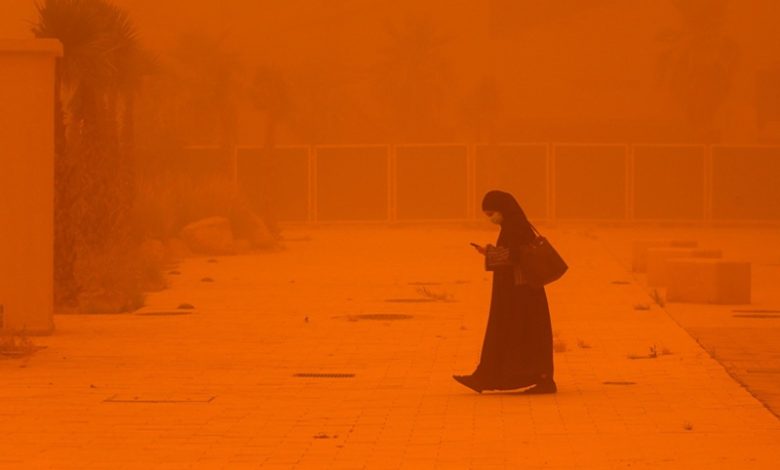
Kuwait City gets sandstorms when desert dust meets the right wind setup, and the city sits in the path. In recent warnings, Kuwait’s Meteorological Department flagged active winds that lift dust and can cut visibility below 1,000 metres, especially in open areas, which quickly turns commutes and outdoor work into a risk situation. These conditions also significantly contribute to Kuwait city air pollution, as fine dust particles remain suspended in the air and impact overall air quality levels across the region.
Why Sandstorms Hit Kuwait City So Often
Sandstorms here are mostly about wind, dryness, and loose surface dust. When northwesterly winds pick up, they can scoop fine particles from desert ground and push them straight toward populated zones, sometimes with sea conditions turning rough at the same time.
What Triggers The Worst Days
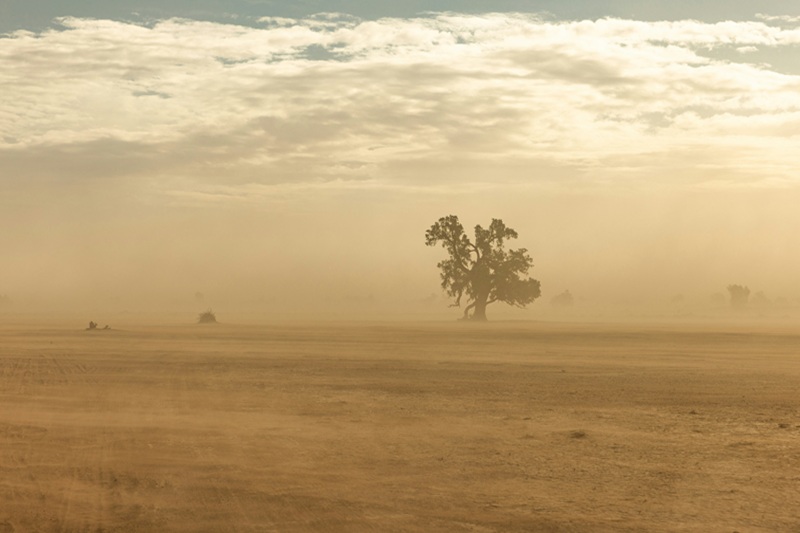
Forecast charts often point to a dry air mass and pressure patterns that strengthen winds and keep the air dusty for hours. When that lines up with exposed, bare ground outside the city, dust loads rise fast and visibility drops hard.
What Helps Reduce Harm
On the personal side, the basics work. Stay indoors when dust thickens, seal doors and windows, and use a HEPA air cleaner if you have one. If you must go out, a properly fitting N95 style mask helps reduce breathing fine particles.
At the system level, better early warning and forecasting reduces exposure by letting schools, ports, and road users plan ahead. WMO’s SDS-WAS exists for exactly that purpose, improving dust storm warning capability and impact reduction.
5 FAQs
1. Is a sandstorm the same as a dust storm?
Often yes. Sand is heavier, dust is finer, but both reduce visibility and breathing.
2. Who is most at risk during Kuwait sandstorms?
Asthma patients, older adults, children, and outdoor workers face higher irritation and symptoms risk.
3. Should we drive during low visibility sandstorms?
Avoid driving. If unavoidable, slow down, increase distance, use recirculation, and stop safely.
4. Do air purifiers help during sandstorm days?
Yes. HEPA filtration can reduce indoor particles when windows stay sealed and doors stay closed.
5. What long-term steps reduce sandstorm impacts in cities?
Stronger alerts, dust monitoring, paved shoulders, vegetation buffers, and soil stabilisation lower exposure over time.