How Heatwaves Are Increasing Water Demand in Major Cities
Learn how heatwaves are increasing water demand in major cities, stressing water supplies and urban systems. Explore causes, impacts, and solutions today.

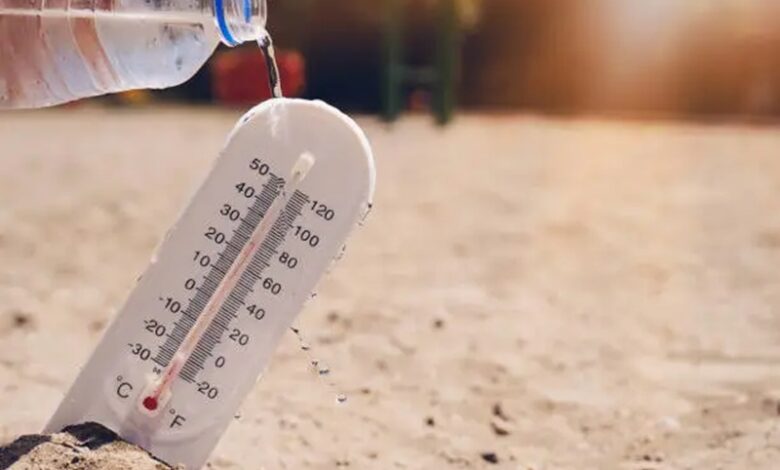
Affecting cities everywhere, climate change has increased the intensity and frequency of heatwaves, placing greater pressure on water sources in multiple locations. In periods of extreme heat, water consumption by households and commercial businesses is much higher than usual, with water needed for the purposes of hydration, cooling, cleaning, and keeping green areas in good condition. Hence, the growing population of the cities makes the issue of water consumption management a real pain point.
The Impact of Heatwaves on Water Consumption
1. Higher Water Consumption for Drinking
People consume much more water under hot conditions to avoid dehydration and become ill due to the heat wave.
2. Increased Water for Cooling
A lot of water is being consumed by people to cool down their buildings.
3. The Use of More Water for Irrigation
Cities need more water to maintain the parks, gardens or sports grounds properly.
4. Increased Residential Water Consumption
People at home take showers more often or use water for cleaning.
Conclusion
When there is a heat wave, water consumption increases in large cities due to drinking of more water, cooling of buildings, irrigating crops, and using more water in households. With climate change making weather more extreme, focusing on water conservation and efficient water management is key to protecting cities.
FAQs
Q: How does water use go up by so much in cities in hot weather?
A: Soaring temperatures drive up water consumption for drinking, cooling, irrigation, and domestic uses.
Q: Can heat waves cause water shortages?
A: In fact, yes, this is possible. Extended periods of high-temperature weather can deplete water supplies and push up demand.
Q: How do cities become more water-efficient when heat waves take place?
A: They use water-saving measures, fix leaks, recycles water, and invest in efficient water systems.
Q: Do cities get affected by climate change regarding their water supplies?
A: Absolutely. Climate change adds to the number of heat waves and droughts disturbing water supply systems.
Stay ahead with more climate insights and expert discoveries.
How Do Scientists Trace Climate Disasters?
Find how attribution science connects disasters to climate change.
Why Do Biodiversity Hotspots Matter?
Check out how nature helps fight climate change naturally.
Can Climate Change Harm Your Heart?
Get to know how extreme weather affects cardiac health.
Why Is Karachi Facing Rising Risks?
Uncover why climate threats are growing across the city.
Why Are Monsoons So Unpredictable Now?
Dive into how climate change is reshaping seasonal rainfall.