Before vs After Monsoon in Mumbai: Which Areas Improved?
Explore Mumbai monsoon flooding changes. See which areas improved and which still struggle with waterlogging after drainage upgrades and flood control projects.

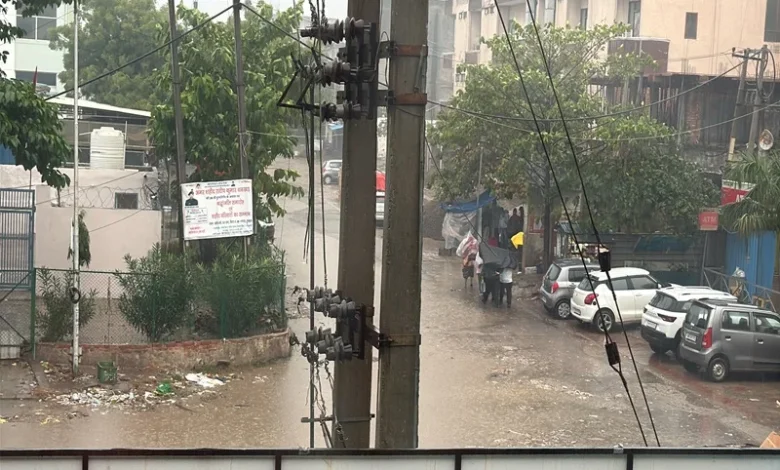
Mumbai’s monsoon story has evolved from catastrophic flooding across the city to being improved by area-based improvements. Previously, even periodic rain events would completely immobilise the transport system, as well as cause multiple zones of flooding across the entire city.
Recent improvements, such as the expansion of drainage systems, the installation of pumping stations, and the implementation of flood mitigation projects, have begun to lessen the severity of flooding in certain areas. In addition, the city has identified hundreds of locations throughout the city that are at a high risk of flooding. Working to desilt and make infrastructure improvements to these locations has been completed for each monsoon.
Despite the improvements that have been made, the amount of improvement varies significantly throughout the city. Several areas of the city now have improved drainage, whereas due to geographical considerations and urban pressures, some areas remain vulnerable.
Areas That Have Shown Improvement
Hindmata(Central Mumbai)
Once considered one of the worst flood-impacted areas of the city, improvements to Hindmata now include the creation of underground water retention tanks and pumping systems that have improved drainage capabilities. However, while the drains still become flooded, they now drain much quicker than before.
Bandra-Kurla Complex (BKC)
BKC experienced frequent flooding due to the fact that it was constructed on reclaimed land. Improvements such as drainage infrastructure upgrades and pumping systems have contributed to less time being required for the waterlogging to drain from BKC.
South Mumbai (Marine Drive, Colaba)
Coastal protection measures have been implemented in some parts of South Mumbai (i.e. seawalls and floodgates) and have allowed certain areas of South Mumbai to manage high tides and rainfall with less frequency of flooding.
Western Suburbs (some parts of Andheri, Santacruz)
Nullah widening and drain cleaning projects have helped to improve drainage in some areas, leading to less prolonged periods of flooding in those areas.
Areas Still Struggling (Limited or No Improvement)
Kurla / Sion Area
These two areas are low elevation locations that receive initial floods from both their close proximity to Mithi river and continue to experience flooding during heavy rains due to rapidly accumulating volumes of water.
Andheri / Milan Subway
These locations are low lying places that flood quickly when there are substantial rains, primarily because they are designed as “under pass” locations.
Dharavi / Informal Settlements
Flooding continues to be a significant challenge at these high-density locations with very limited drainage systems, thus experiencing little improvement through any structural action.
Eastern Suburbs (Ghatkopar / Vikhroli Communities)
The Eastern Suburbs of Mumbai remain susceptible to both flooding and landslides, especially in slums or those communities built along hillsides.
Navi Mumbai (Emerging Threat)
Though Navi Mumbai continues to be a planned district, the reduction in capacity for existing holding ponds will create greater opportunities for flooding, indicating the absolute requirement for continuous maintenance of infrastructure improvements.
Recommended Reads You Shouldn’t Miss
1. Which Mumbai areas flood first?
Explore how certain neighborhoods face flooding risks early during monsoon season.
2. Renting in Mumbai this summer checklist?
Check essential tips before renting a flat during Mumbai’s hot summer months.
3. What hidden costs climate adds?
Discover how climate factors silently increase the cost of living in Mumbai.
4. How Mumbai tackles coastal flooding?
Explore the latest measures Mumbai is taking to control coastal flooding in 2026.
5. Why Kerala sees early monsoon signs?
Discover the weather system changes bringing early monsoon-like conditions to Kerala.
Final Words
It is no longer accurate to say there is a monsoon problem in Mumbai, it is a process of incremental improvements to address flooding issues. Some neighbourhoods have experienced successful outcomes from their long-term infrastructure improvements. Other neighbourhoods remain trapped within continued cycles of flooding because, in addition to creating systems to control flooding, it is essential to perform ongoing maintenance for those systems and maintain respect for natural geography.
FAQs
1. Which areas improved the most in Mumbai flooding?
Hindmata, BKC, and parts of South Mumbai have shown noticeable improvement.
2. Which areas still flood the fastest?
Kurla, Sion, and Andheri subway remain among the most vulnerable.
3. Has Mumbai solved its flooding problem?
No, improvements exist but flooding is still a major issue.
4. Why do some areas improve while others don’t?
Because of differences in drainage upgrades, elevation, and urban planning.