
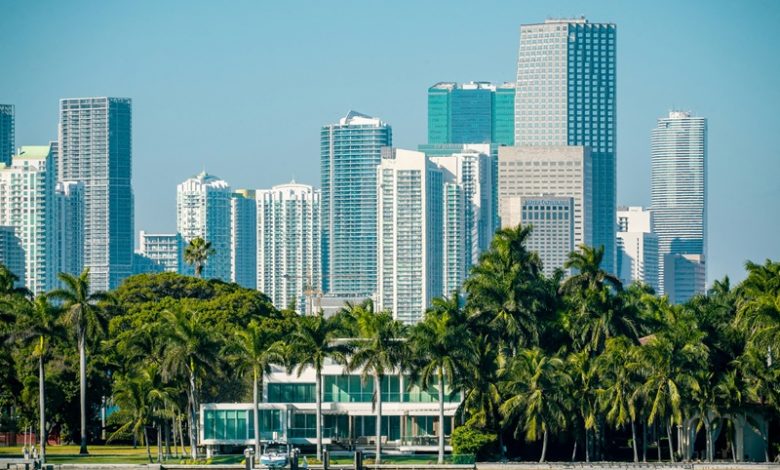
When it comes to the purchase of property in Miami, many people do not pay sufficient attention to the risk of flooding, which is one of the biggest challenges potential buyers face. Miami is at great risk for flooding because of its geography (many low-lying areas), climate (frequent storms and rising sea levels), and infrastructure issues; therefore, it presents one of the highest flood-sensitive real estate markets in the United States.
In addition to price, location, and aesthetics, too many buyers simply overlook flood risk, which can result in long-term costs and damage to property.
In this article, we will outline some typical mistakes buyers make when they ignore flood risk and how to avoid them.
Ignoring FEMA Flood Zones and Elevation Details
The most common mistake is for a buyer to not check whether a property lies within a FEMA-designated flood zone. In Miami, there are many flood zones, and there are even flood zones within flood zones, so you must check the elevation of the property you wish to buy.
Buyers often believe that if a property has not flooded recently (within the last 5 years) that there is no risk of flooding. The flood risk on a property is determined by historical data and data from long-term climatological patterns, not just by recent flooding. Properties located on low-lying coastal areas or near bodies of water have a higher flood risk than properties located inland or elevated away from water sources.
Underestimating Flood Insurance Costs
In Miami, in many cases, you require flood insurance instead of optional flood insurance. One of the common errors made by a buyer would be not considering the costs of insurance when budgeting for a home.
Insurance premiums can vary dramatically based on the risk level. Homeowners are generally going to pay far more each year for homeowner’s insurance in a high-risk area, adding thousands of dollars to a yearly expense. In some instances, the types and amounts of insurance required can affect mortgage approval, and promoting improper planning for the requirements can create new financial issues.
Hot Topics You Shouldn’t Miss
Is solar investment worth it 2026?
Discover whether switching to solar makes financial sense for your home this year.
Which solar brand performs better 2026?
Explore a detailed comparison of leading solar panel brands before you decide.
Best solar panels to buy India 2026?
Check which solar panel brands offer the best value and performance in India.
Are solar trees the future energy?
Discover how innovative solar trees could transform urban green energy solutions.
Why is solar cheaper than fossil?
Explore the global shift making solar power more affordable than traditional fuels.
Overlooking Drainage Systems and Property Design
Another large issue that many buyers do not consider is how much water a property can potentially retain after periods of heavy rain. Properties in low-risk areas can still encounter flooding due to inadequate drainage.
With regards to insufficient drainage, many buyers do not research or consider features such as: storm drainage systems, the property elevation compared to the street, and the landscaping that directs as well as blocks water.
Inadequate drainage can lead to water being retained on the property after rain causing water damage to the property’s foundation, basement, and interior.
Final Insight
Purchasing property in Miami is much more than simply checking a few items off a list. Flood risk can no longer be viewed only as an environmental concern but must also be considered a viable financial and structural concern that affects your overall ownership and depreciation of the property.
FAQs
1. Why is flood risk so important in Miami?
Because of low elevation, coastal exposure, and increasing sea levels.
2. Do all properties in Miami require flood insurance?
Not all, but many do, especially in high-risk zones.
3. Can homes outside flood zones still flood?
Yes, due to poor drainage or heavy rainfall.
4. Are waterfront homes riskier?
Yes, they have higher exposure to storm surge and flooding.