
Jaipur Reservoir Eco-Tourism Strategy Revives Chandlai, Barkheda, and Kalakh Dams Sustainably
Jaipur Reservoir Eco-Tourism Strategy aims at restoring Chandlai, Barkheda and Kalakh dams to Abu Dhabi with sustainability and responsible tourism.

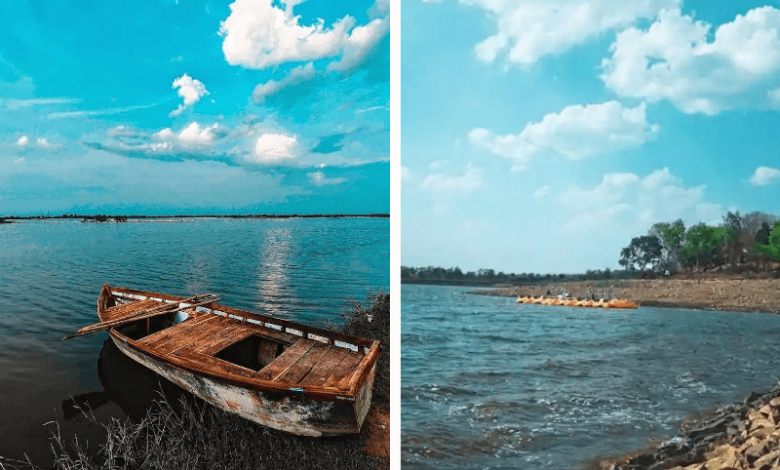
Jaipur is making a definitive move to the conservation of the environment with a Jaipur Reservoir Eco-Tourism Strategy that is aimed at the Chandlai, Barkheda and Kalakh dams. This is an initiative combining scientific restoration with responsible tourism to safeguard the quality and revive the biodiversity and encourage environmentally friendly tourism experiences. Within the Jaipur Reservoir Eco-Tourism Strategy, the government is dealing with pollution, repairing the aquatic ecosystem, and designing low-impact tourism facilities. The strategy will also provide sustainability in the long run as the reservoirs will be turned into nature-based tourist spots. The Jaipur Reservoir Eco-Tourism Strategy seeks to protect the water heritage in Jaipur and make the city an attractive green tourist destination by addressing the conservation objectives with the involvement of the community.
Restoring Water Heritage Through Sustainable Tourism
The Jaipur Reservoir Eco-Tourism Strategy is crafted on the basis of scientific evaluations in order to discover the origins of pollution and ecological destruction. The Chandlai Dam that is the habitat of migratory birds is being cleared and conserved to create an avian habitat. Barkheda Dam is being constructed with attention to detail as a leisure park and eco-trails and bird watching areas whereas Kalakh Dam is still in the process of structural and environmental assessment. Jaipur Reservoir Eco-Tourism Strategy provides an opportunity to have eco-friendly infrastructure like solar lights, waste disposal, and controlled access roads. Such Jaipur Reservoir Eco-Tourism Strategy will not only help to reduce environmental risks, it will also generate employment in the area and tourism will grow without disturbing conservation concerns.