
Is It Safe to Charge Your EV in a Severe Thunderstorm? How to Protect Your Home Charger From Lightning Surges
Is it safe to charge an EV during a thunderstorm? Learn how to protect your home charger from lightning surges with surge protection and safety tips.

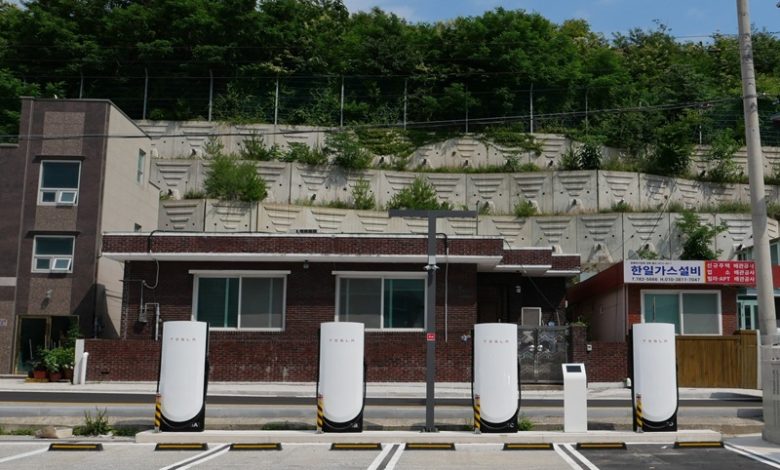
Thunderstorms are becoming more frequent in many regions during the summer and monsoon seasons, prompting a common question among EV owners: Is it safe to charge an electric vehicle during a severe thunderstorm?
In most cases, modern EV charging systems are designed with multiple safety features, but lightning and power surges can still pose risks to electrical equipment if proper protection is not in place.
Can You Charge an EV During a Thunderstorm?
Generally, yes.
Most home EV chargers and electric vehicles include:
- Ground fault protection
- Automatic shutoff systems
- Insulated charging connectors
- Weather-resistant charging equipment
When installed correctly, these systems are designed to operate safely in rain and normal storm conditions.
The Real Risk: Lightning-Induced Power Surges
The greatest threat is not usually direct rain exposure but electrical surges caused by nearby lightning strikes.
A powerful surge can potentially damage:
- Home charging stations
- Inverters
- Electrical panels
- Household electronics
- Vehicle charging systems
While direct lightning strikes are rare, surge-related damage can occur even when lightning hits nearby infrastructure.
How to Protect Your Home Charger
Install a Surge Protection Device (SPD)
A quality surge protector can help reduce the impact of voltage spikes entering your home’s electrical system.
Ensure Proper Grounding
A professionally installed grounding system helps safely redirect excess electrical energy.
Use Certified Charging Equipment
Always choose chargers that comply with recognised electrical safety standards.
Schedule Regular Electrical Inspections
Loose wiring, poor grounding, or damaged components can increase vulnerability during storms.
Should You Unplug During Severe Storms?
If authorities issue warnings for intense lightning activity and charging is not urgently required, some homeowners choose to temporarily pause charging as an additional precaution.
However, modern EV charging systems are generally built to operate safely under normal weather conditions.
Stay Updated With The Latest Trends & Smart Choices
1. Drinking Enough Water During Heatwaves?
Explore the warning signs of dehydration and learn how to maintain proper hydration during extreme summer temperatures.
2. Are EV Plans Changing Worldwide Now?
Discover why major companies are shifting EV strategies and choosing hybrid technology for future mobility.
3. Want to Save More With EVs?
Check the best affordable electric vehicles, charging expenses, and ownership benefits for Indian buyers.
4. Can Heat Damage Your EV Battery?
Explore how extreme summer conditions impact EV batteries and solar panels with simple protection tips.
5. Why Are EV Sales Rising Fast?
Discover the latest EV trends, budget options, charging costs, and battery warranty details before buying.
Final Words
Charging an EV during a thunderstorm is usually safe when the vehicle, charger, and home electrical system are properly installed and maintained. The primary concern is lightning-induced power surges, which can be mitigated through surge protection, proper grounding, and high-quality charging equipment. Taking these precautions can help protect both your EV and your home charging infrastructure during storm season.
FAQs
Can rain damage an EV while charging?
No. EV charging systems are designed to operate safely in wet conditions.
What is the biggest risk during a thunderstorm?
Lightning-related power surges pose the greatest threat to electrical equipment.
Do home EV chargers need surge protection?
Surge protection is highly recommended, especially in areas prone to thunderstorms.
Can lightning damage an EV charger?
Yes. A nearby lightning strike can create voltage surges capable of damaging electronics.
Is it necessary to stop charging during every storm?
Not usually. Modern systems include safety protections, though some owners choose to pause charging during severe lightning events as an extra precaution.