
India E-20 Car Insurance Guide: Are You Eligible for Insurance If Ethanol-Blended Petrol Damages Your Car Engine and Fuel Tank?
E20 petrol car insurance explained: Know if engine or fuel tank damage caused by ethanol-blended fuel is covered and when claims can be rejected.

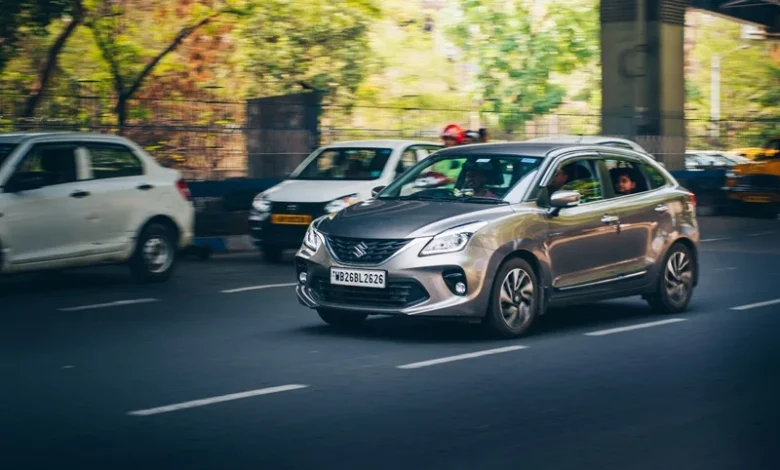
As E20 petrol (20% ethanol and 80% petrol) becomes the standard fuel across India, many car owners are asking an important question: Will insurance cover engine or fuel system damage caused by ethanol-blended fuel?
The answer is more complicated than a simple yes or no.
What Is E20 Fuel?
E20 is a blend containing 20% ethanol and 80% petrol. India has been expanding ethanol blending to reduce oil imports and lower emissions. Most vehicles manufactured recently are designed to operate on E20 fuel, while some older vehicles may not be fully compatible.
Does E20 Automatically Void Your Insurance?
No.
The government has clarified that using E20 fuel does not automatically invalidate your vehicle insurance policy or warranty. Simply filling your car with E20 petrol does not mean you lose insurance protection.
When Can an Insurance Claim Be Rejected?
This is where vehicle compatibility becomes critical.
Several insurers and industry experts have indicated that if an older, non-E20-compatible vehicle suffers engine, fuel line, injector, or fuel tank damage directly linked to E20 usage, the claim could be treated as negligence or improper vehicle use. In such cases, claim rejection is possible.
How to Check If You’re Eligible
You are generally in a stronger position if:
- Your vehicle is officially E20-compatible
- The owner’s manual permits E20 fuel
- Manufacturer guidelines are followed
- Vehicle maintenance records are available
Owners of older vehicles should verify fuel compatibility with the manufacturer before assuming damage will be covered.
What Parts Could Be Affected?
In non-compatible vehicles, concerns typically focus on:
- Fuel tanks
- Fuel lines
- Rubber seals
- Fuel injectors
- Engine components exposed to ethanol
However, government-backed studies have generally found E20 safe for compatible vehicles.
Stay Updated With The Latest Trends & Smart Choices
1. Drinking Enough Water During Heatwaves?
Explore the warning signs of dehydration and learn how to maintain proper hydration during extreme summer temperatures.
2. Are EV Plans Changing Worldwide Now?
Discover why major companies are shifting EV strategies and choosing hybrid technology for future mobility.
3. Want to Save More With EVs?
Check the best affordable electric vehicles, charging expenses, and ownership benefits for Indian buyers.
4. Can Heat Damage Your EV Battery?
Explore how extreme summer conditions impact EV batteries and solar panels with simple protection tips.
5. Why Are EV Sales Rising Fast?
Discover the latest EV trends, budget options, charging costs, and battery warranty details before buying.
Final Words
The biggest misconception is that E20 automatically cancels insurance coverage—it does not. The real issue is whether your vehicle is designed to use E20 fuel. If a compatible vehicle suffers unrelated damage, insurance remains valid. But if an insurer determines that engine or fuel system damage occurred because E20 was used in a non-compatible vehicle, your claim could face scrutiny or rejection. Before filing a claim, always check your vehicle’s E20 compatibility and review your policy wording carefully.
FAQs
Will E20 fuel void my car insurance?
No. E20 fuel does not automatically void insurance coverage.
Can insurers reject E20-related engine damage claims?
Yes, particularly if the vehicle was not designed to use E20 fuel and the damage is linked to improper fuel usage.
How do I know if my car is E20-compatible?
Check your owner’s manual, manufacturer website, or dealership service centre.
Are newer cars generally E20-ready?
Most recently launched models are designed with E20 compatibility in mind.
Is fuel tank corrosion a concern?
It can be a concern primarily for older, non-compatible vehicles, which is why compatibility verification is important.