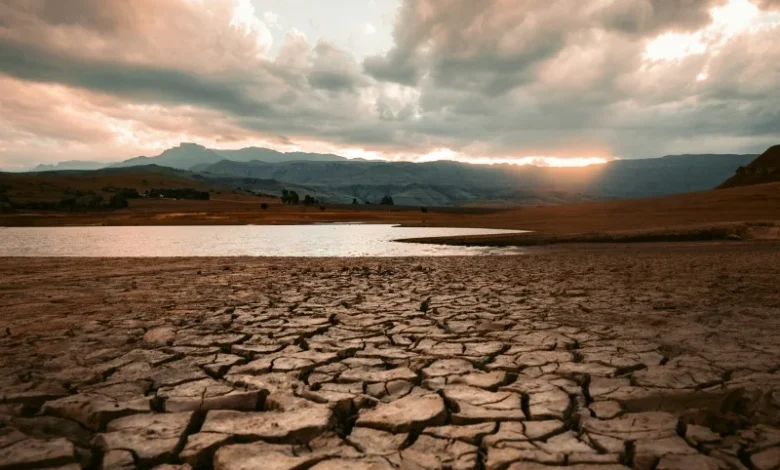
Drought and water stress themselves do not cause violence in the Sahel, though they may worsen local friction between herders and farmers.
How Does Scarcity Cause Violence?
According to studies from NUPI and SIPRI, climate change may increase the chances of clashes between herders and farmers fighting for access to water and pasture. Economists argue that violence tends to happen at the spots where rangeland meets farmland, the interface area of mixed land use where both farmers and herders are trying to get access to natural resources. Since 2012, violence in Mali, Niger, and Burkina Faso has resulted in the deaths of more than 11,000 people due to various events concerning water and geography.
Is Climate Change the Sole Reason?
No, indeed. A study published by ISS states that there is no direct link between climate change and terrorism in the Central Sahel. Climate change can, however, serve as a trigger of local conflicts.
What Techniques Are Recommended?
Researchers advise the use of community-led adaptation, secure ownership rights, and free movement of herders. Global events such as drought and extreme heat show the role of water security issues everywhere.
Related Reads on Environmental News
What Were 2025’s Worst Disasters?
Review the major environmental disasters of 2025.
Why Do Inland Waters Matter?
Learn why inland waters are overlooked carbon ecosystems.
How Do Seed Banks Protect Food?
See how seed banks protect future meals.