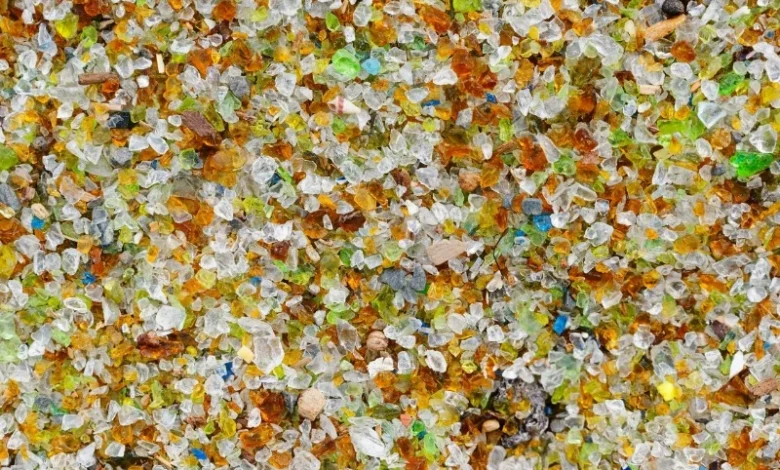
As stated in some studies, every trip to a destination generates rubber from tires (tyre dust), apparently causing this dust to be responsible for nearly 50% of microplastics found in both land and water systems.
So what is inside?
Tire rubber consists of more than 400 different chemicals, one of which is 6PPD, responsible for forming 6PPD-quinone, which is extremely toxic to 4 of the 11 fish species tested, including the coho salmon. As per Emissions Analytics research, four tires of a vehicle emit about 1 trillion ultrafine particles for every kilometer driven.
Where does it all go?
The rain washes the particles into the drains and rivers, while the tyre dust’s components have inhibited the growth of the diatoms, which represent a kind of algae that is the base of the oceanic food web, according to the findings made by a group of scientists from the University of Portsmouth.
What can be done about it?
The state of California has demanded the tire manufacturers to present an alternative to 6PPD-quinone by the year 2024. Other scientists call for stricter regulations about tire components and better monitoring of the road runoff in an effort to protect salmonids and other endangered species.
Related Reads
Why Do Coral Reefs Matter?
Learn what coral reefs do for the ocean.
Why Are Jellyfish Blooming?
See how jellyfish blooms are linked to a changing ocean.
Are We in a Mass Extinction?
Find out if the sixth mass extinction has already begun.