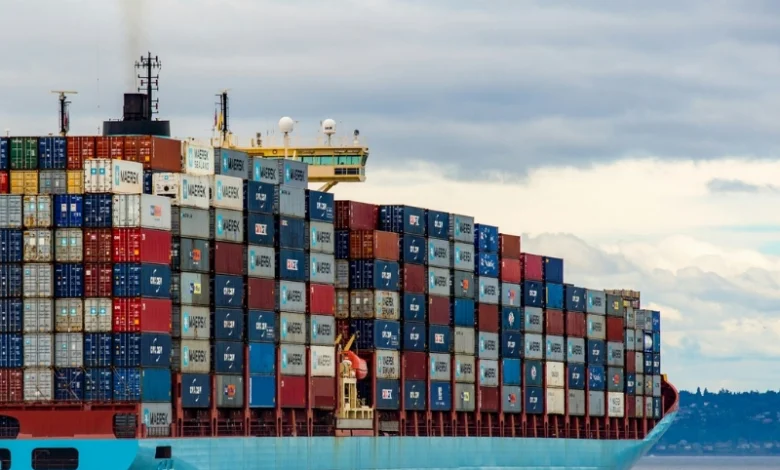
Carbon border taxes, As of January 1st, 2026, the European Union has implemented a carbon fee (known as CBAM ) that applies to industries with heavy carbon emissions such as steel, cement, aluminum, fertilizers, electricity, and hydrogen, with the aim to prevent emission-heavy production from being outsourced.
How Does it Function?
Importers are required to acquire certificates available at a cost similar to that of the carbon credits in the EU, however, the price can be lowered if a price has previously been paid in the home country.
Who is Affected the Most?
India’s iron and steel sector occupies about 78% of the exporting industry in the EU according to the 2023 calculations that number is worth over €5 billion, while China has made a warning about retaliation, but is less affected as the majority of the steel and aluminum products are being exported elsewhere.
Will it Change the Nature of Trade? – carbon border taxes
Representatives of India, China, and other BRICS countries believe that the new fee has a discriminating nature, while supporters of CBAM argue that it supports cleaner producers. The exporting companies can invest in making the production of cement and hydrogen greener in order to escape the fees.
More on Environmental News
Which countries run on clean power?
See who relies almost entirely on renewables.
Is nuclear power part of the solution?
Weigh the case for nuclear energy.
Can panels on water power the future?
Find out how floating solar could work.
What is the hidden cost of battery metals?
Read about lithium mining.
What went wrong in 2025?
Read about 12 major environmental disasters.