Green Energy Paradox: Is Lithium Mining Putting Chile’s Desert Wetlands at Risk?

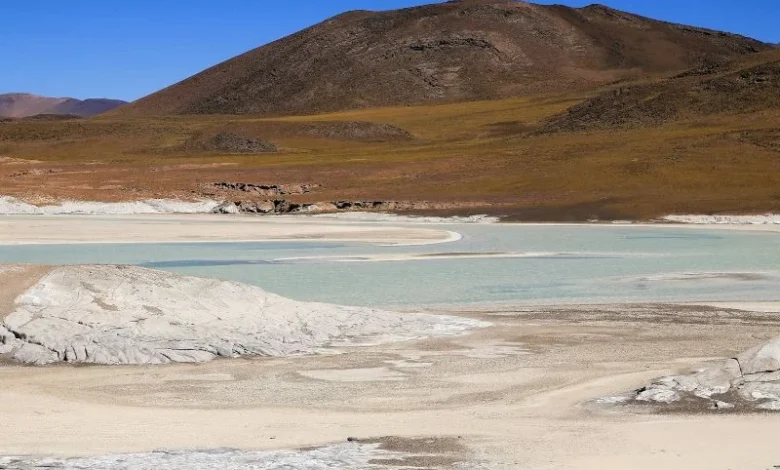
Lithium is necessary for batteries used in electric cars, and Chile produces around 29% of the world’s lithium. Lithium mining Chile wetlands, Most of it is sourced from the Salar de Atacama, known for its salt flats, and at the same time has wetlands important for flamingos.
How is Lithium Obtained?
Companies use pumping to bring the brine from below the salt flat to the evaporation areas. That method consumes large amounts of water in one of the driest areas in the world.
What do Studies Say?
Researchers state that there is a correlation between the rising use of water and declining population of flamingos. Although scientific literature mentions the decline of James’s flamingo as well as the Andean flamingo population in the region by 10-12 percent, that fact hasn’t been recorded in other lakes analyzed. Atacama actually debunked some crucial findings, showing that the population is stable.
Can Both Aims Be Reached? – lithium mining Chile wetlands
Scientists are concerned about the possibility of monitoring the situation, but at the same time, Chile provided the permit for extraction until 2030. An argument exists whether it is possible to extract lithium in an eco-friendly way.
More Updates on Environmental Changes:
Where do old clothes go?
Inside Chile’s fashion graveyard in the Atacama.
Should we dig up the ocean floor?
Weigh the risks of deep-sea mining.
How do you recycle electronics safely?
Follow this everyday checklist.
Which countries run on clean power?
See who relies almost entirely on renewables.
Can panels on water power the future?
Find out how floating solar could work.