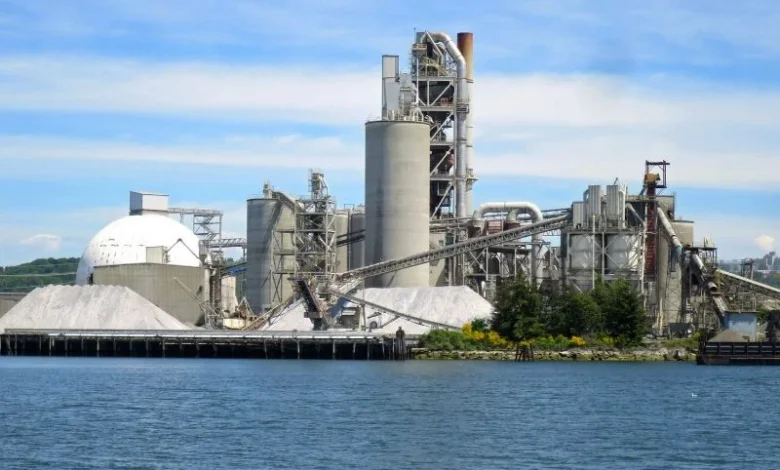
Cement is responsible for approximately 8 percent of CO2 emissions globally, surpassing aviation at roughly 2.5 percent, cement and climate, making it the third highest emitter after China and the US.
Why the High CO2 Emissions?
The majority ( more than half) of emissions come from calcination, which involves the conversion of limestone into clinker. About 90 percent of cement emission is clinker.
How to Reduce It?
- Less use of clinker: The global clinker-to-cement ratio was 0.70 in 2018 and reducing it results in lower emissions.
- Use alternative fuels: Substituting coal with renewable fuels such as biomass, plastic waste, and hydrogen could also help.
- Carbon capture: The carbon capture technology could result in a 36 percent reduction of emissions.
- Innovative cements: New companies such as Sublime Systems developed processes that don’t need use of heat.
- Alternative materials: In certain constructions, green wood can be used instead of cement.
Why Is It Difficult? – cement and climate
Substitution with less clinker cannot be used indefinitely and there are always residual emissions related to traditional clinker. Carbon capturing hasn’t been implemented at scale. According to Chatham House, the industry must reduce its emissions by 16 percent by 2030 to comply with the Paris agreement, but consumption only continues to grow.
Stay informed on nature’s biggest global events
Can Renewables Deliver a Greener Future?
Weigh the promise and the limits.
Will Countries Hit Food Goals?
Find out why most may miss 2030 targets.
Is Extreme Heat a Health Crisis?
See why heat is now a health crisis.