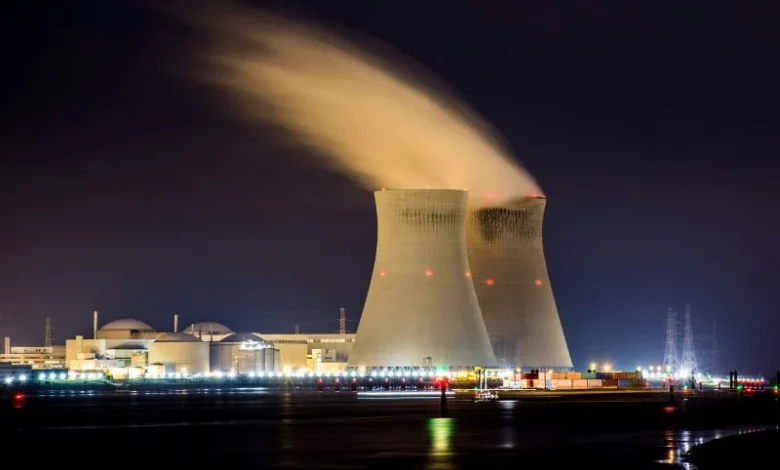
Globally, nuclear energy plays a role in producing roughly 10 percent of electricity, which makes it the second biggest low-emission source of energy after hydroelectricity. nuclear power climate change, But the increasing demands for electricity have brought the question of whether nuclear energy could play a larger part in the near future.
Current Trends.
In 2025, nearly 420 reactors produced a record 2850 TWh of electricity. More than 60 reactors are currently being built with more than 70 gigawatts of capacity. The growth of nuclear reactors can be mainly attributed to China, but the restart of nuclear reactors in Japan and better performance in France played a considerable part as well.
Benefits of Nuclear Energy.
Nuclear reactors produce stable energy on a constant basis enabling them to compensate for the lack of steady energy in solar and wind power, while the needs of data centers have brought the interest back in nuclear energy. The International Energy Agency (IEA) expects the contribution of nuclear and renewable energy to be 50 percent by 2030.
Difficulties That Nuclear Energy Faces – nuclear power climate change
Due to high construction costs the growth of new nuclear stations is impeded in the USA and France. Small modular reactors are expected to become more popular after 2030. Waste and safety remain debated, while countries running on renewable power show other options.
Stay informed on nature’s biggest global events
Can Earth’s Heat Power the Planet?
Learn how geothermal energy runs around the clock.
What Went Wrong in 2025?
Read about 12 major environmental disasters.
Is Extreme Heat a Health Crisis?
See why it is hitting public health worldwide.