
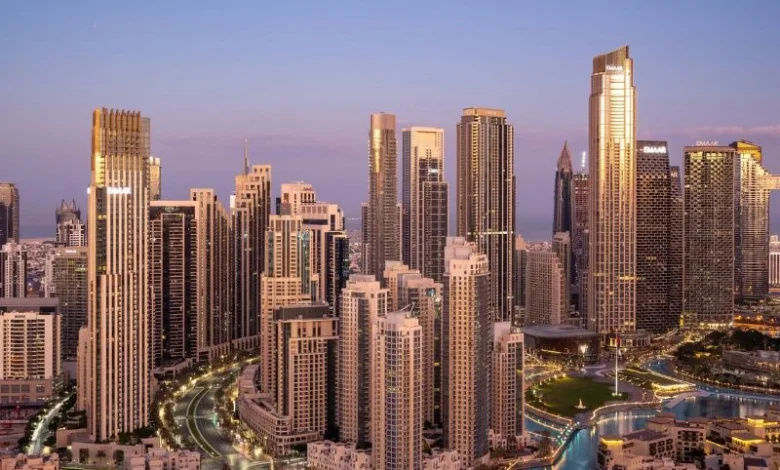
Dubai has extreme heat for a majority of the year, with summer temperatures reaching over 40°C, so when it comes to where you live in Dubai, your options (apartments) will also depend on where you would like to live, as well as how well your apartment is located based on things such as views, rent, building type, etc. However, the heat of your apartment also depends on the level of your apartment. Many people do not consider this before renting; however, the higher your apartment is in a building, the hotter your apartment may be. Here is the comparison of Top Floor vs Lower Floor Living Dubai Heat Impact.
Why Top Floors Tend to Be Hotter
Top-floor apartments in Dubai tend to have more direct exposure to the sun than lower-floor apartments while having to endure summer heat. This is mainly due to the roof; since it is flat, it will collect heat throughout the day (because of the sun) and continue to release that heat into your apartment night after night until the temperature in your apartment is considerably hotter than your lower-floor neighbour’s.
A second reason why top-floor apartments are hotter than lower-floor apartments is air movement. Warm air rises, and as a result, the top floors of your apartment building capture additional heat from the lower floors of your building and, therefore, remain warmer than lower-floor apartments.
Lower Floors: Cooler but With Trade-Offs
Lower-floor apartments are generally cooler because they are not directly exposed to rooftop heat. They are also more likely to benefit from shade provided by surrounding buildings or structures, which reduces direct sunlight. Because of this, indoor temperatures on lower floors tend to remain more stable, requiring less cooling effort.
The Role of Building Design and Insulation
Thermal exchange between the building and the environment is influenced by several factors, including the floor level of a building, as well as its overall design and construction quality.
Newer types of buildings (built after 2000) generally have better insulation; roof sheathing uses reflective products, and they operate with more efficient HVAC systems. As a result, the thermal gradient (temperature difference between the top and bottom floors of a building) will be less compared to older buildings that are poorly insulated.
Conversely, older types of buildings (built before 2000) and poorly insulated buildings typically create a much greater temperature difference between the top and bottom floors. For example, the temperature of unit vacancies on the second or third floor of a poorly insulated building can experience drastically high temperatures in the summer months.
Final Verdict
The climate of Dubai favors lower floors as they tend to remain cooler while using less electricity for air conditioning. On average, this can save a significant amount of money each month for tenants.
FAQs
1. Are top-floor apartments hotter in Dubai?
Yes, they are usually warmer due to direct roof exposure and rising heat.
2. Do lower floors stay cooler all the time?
Generally yes, but ventilation and building design can affect comfort.
3. Does insulation make a big difference?
Yes, good insulation can significantly reduce heat on higher floors.
4. Are electricity bills higher on top floors?
In most cases, yes, because more cooling is required.
Stay In The Loop
Which Hyderabad areas face worst heat?
Check the neighborhoods most vulnerable during extreme heatwaves in the city.
Which Indian cities face extreme heat?
Discover the regions across India at highest risk from rising temperatures.
Is major weather shift coming April?
Explore how upcoming weather changes could impact temperatures across India.
Which cities face climate risk 2026?
Check the urban areas under immediate environmental threat this year.
Why Chennai preparing early for heat?
Discover how Chennai is tackling rising temperatures and health risks early.