Climate Change Is Redrawing Africa’s Malaria Map, and Children Are Caught in the Middle
Climate change is shifting malaria risk across Africa, putting children in new danger zones while altering public health needs.

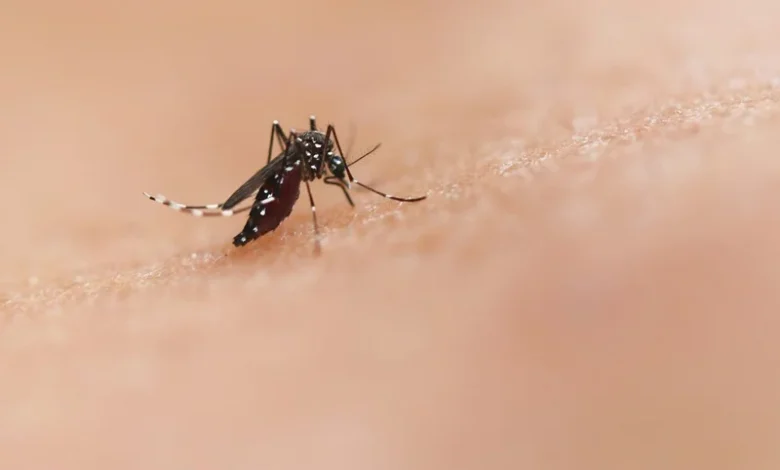
For years malaria in Africa was thought to be a problem of hot, low-lying areas. That image is now changing. A landmark study by researchers at Yale published in the journal Nature shows that human-driven climate change is shifting the burden of childhood malaria in Africa, taking climate change risk to places once considered too cool for the disease to thrive.
How Rising Temperatures Are Shifting the Danger Zone
The research team analyzed over 100 years of clinical records from children in East, Central, Southern, and West Africa. It’s a stunning result. Malaria is increasing in colder places like East and Southern Africa and decreasing in hotter regions like West Africa due to climate change. In simple terms, mosquitoes like to live in certain temperature conditions. The highland areas are warming, becoming newly hospitable to the parasite. Lowland areas can become so hot that they become so extreme that even mosquitos cannot survive.
Why This Shift Is Important for Vulnerable Communities
It’s not just scientific curiosity. It has practical consequences for public health planning. By the end of the century, the risk of malaria could rise by as much as 20 percent in vulnerable regions such as the Rift Valley and coastal Southern Africa, putting populations with little historical experience of malaria prevention and treatment at risk. Communities that have never had to plan for the costs of mosquito nets, antimalarial medicine or clinic visits may suddenly find themselves unprepared, both financially and medically.
The Silver Lining of West Africa
There’s some good news. In West Africa, temperatures could rise beyond what mosquitoes can tolerate in a high emissions scenario, possibly reducing malaria prevalence by as much as 4.5 percentage points by 2100. But experts warn this is no reason for complacency, as the same warming trend is adding new risk elsewhere.
What Holding Back Warming Could Achieve
The study also modeled what might happen under various climate futures. Public health and global climate action are linked, with researchers suggesting that capping global warming below 2 degrees Celsius, instead of letting it climb to around 3 degrees, could substantially cut future malaria cases among children.
What Can Health Systems and Communities Do
•Strengthen malaria surveillance in highland and southern areas not typically considered high risk.
•Expand distribution of mosquito nets and rapid tests to new risk areas.
•Train local health workers in areas with little or no experience with malaria.
•Back international climate goals to limit long-term warming.
•Encourage protection at the household level, such as nets, repellents and early treatment of fever in children.
Conclusion
Malaria is no longer confined to the regions historically linked to it. “As the climate changes, so does the risk, and health systems across Africa need to change with it.” One-line takeaway: Fighting malaria in the coming decades will mean watching the thermometer as closely as the mosquito.
Climate change stories that reveal growing risks.
How Is Ladakh’s Heritage Under Threat?
Check out how climate change is reshaping Ladakh’s historic architecture.
Could Bangladesh Face Greater Flood Risks?
Find out how climate change could intensify Bangladesh’s flood threats.
Why Are Monsoons Becoming Less Predictable?
Uncover how climate change is disrupting monsoon patterns worldwide.
Can Extreme Weather Harm Your Heart?
See how extreme weather may increase serious cardiac risks.
Why Is Karachi Facing Climate Risks?
Look into why Karachi is increasingly exposed to climate impacts.