
What Is the ‘Wet-Bulb’ Temperature? The Dangerous Heat-Plus-Humidity Metric Threatening Commuters This Week
Learn what wet-bulb temperature is, why heat and humidity together are dangerous, health risks during heat waves, and tips to stay safe outdoors.

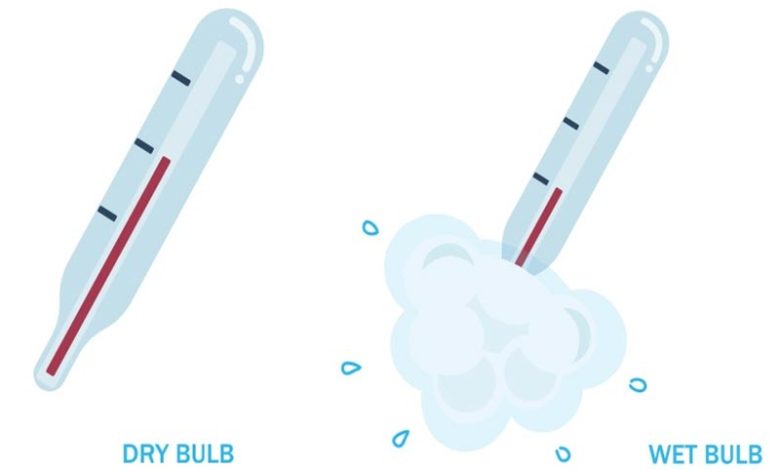
As temperatures and humidity levels have increased throughout much of the world, meteorologists have begun to advise people to watch for more than just the air temperature; they should also pay attention to a measurement known as wet-bulb temperature. The wet-bulb temperature is becoming increasingly important due to how it measures the comfort or discomfort of the human body in relation to the weather.
Wet-bulb temperature measures both temperature and humidity together unlike normal temperature readings do as absolute measurements. Wet-bulb temperature measures the fact that air can only be cooled to the exact minimum temperature by the evaporation of a liquid or vapor from that type of liquid or vapor, or, in like terms, measures the worst-case scenario for your body’s ability to use sweat to cool you off.
Why Is Wet-Bulb Temperature Important?
Your body uses sweat to control its temperature; with low humidity, the moisture in your sweat evaporates quickly and cools your skin; however, with high humidity:
– The moisture in your sweat evaporates slowly because of the high moisture in the air.
– Your body cannot cool itself down and still becomes heat stressed.
– You will experience heat stress much faster.
– You have a greater chance to experience heat exhaustion and/or heat stroke.
How to Stay Safe
In very hot and humid weather, stay safe by following these guidelines:
-Drink a lot of water.
-Wear clothing that is light, loose-fitting, and breathable.
-Spend as much time in shaded areas or in air conditioning when the weather is hottest (between noon and 3:00 p.m.).
-Use an umbrella or hat for shade while you are outside to help prevent sunburn.
Read This Next
1. Need A Heatwave Survival Plan?
Explore the essential foods, drinks, and habits that can help you stay safe during extreme temperatures.
2. Living In A Hotter Top Floor?
Discover why upper-floor apartments heat up faster and check practical ways to keep them cooler.
3. Ready For New Solar Rules?
Check the latest solar panel regulations, price changes, and approved options under India’s new mandate.
4. Struggling To Cool Indoor Spaces?
Explore affordable cooling hacks that can make suffocating rooms more comfortable during heatwaves.
5. Can Your EV Earn Money?
Discover how vehicle-to-grid technology lets electric vehicle owners power homes and earn from the grid.
Final Words
As heat waves continue to develop because of rising temperature and humidity levels, the wet bulb temperature is becoming more and more important as a measure of the health impacts of these conditions on people; there may be many potential health impacts during heat waves, even though the air temperature may not be high – if it is wet bulb. Knowing about this measure will help people better understand how to make decisions regarding their health during hot summer months.
FAQs
1) What is wet bulb temperature?
Wet bulb temperature is calculated by taking into account both humidity and air temperature to provide an indication of the additional health impacts on humans when combined with heat and humidity.
2) What are the health risks of high humidity during heat waves?
Humidity can detract from the way your body cools itself through sweat.
3) Who is most at risk?
Observation of outdoor workers, transit authorities, children, and older adults will help determine which populations are at greatest risk of heat-related illness.
4) Does wet bulb temperature cause heat exhaustion or heat stroke?
Wet bulb temperature can increase the risk for heat exhaustion and heat stroke if preventive measures are not taken.