Why Seoul Faced Hazardous Air Levels Again: Dust, Climate And Emissions
Seoul’s air worsened again as desert dust inflow, temperature inversions and local emissions combined, trapping pollution and pushing AQI to hazardous levels.

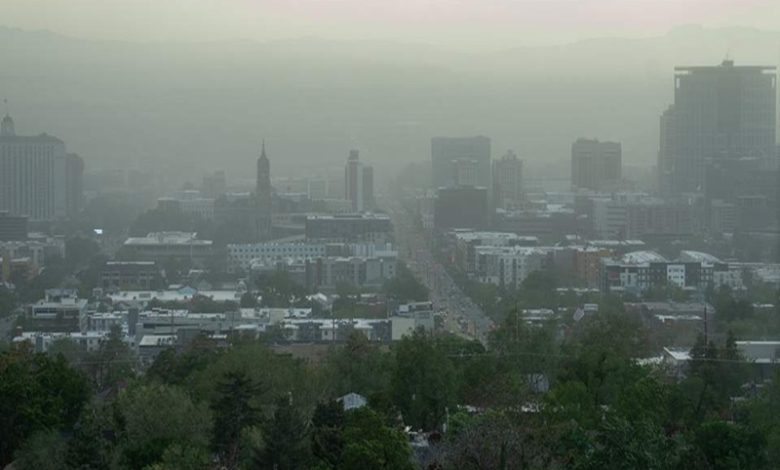
Seoul’s air did not suddenly turn dangerous overnight. The latest spike is the result of three forces colliding at once: yellow dust blowing in from the Gobi Desert and Inner Mongolia, a stubborn temperature inversion that trapped pollution near the surface, and local emissions from traffic, industry and fuel burning that had nowhere to go. That mix pushed Seoul back into the global pollution conversation in March, with IQAir placing the city among the world’s most polluted major cities on one of the worst days, while Korean outlets reported repeated “bad” to “very bad” readings across the capital region.
Dust Inflow Reignited The Problem
The first trigger was external. Strong winds carried yellow dust from the Gobi Desert and Inner Mongolia toward the Korean Peninsula, sharply worsening particulate levels over Seoul and nearby Gyeonggi. On February 22, Seoul’s PM10 level climbed to 339 micrograms per cubic meter, well above the “very bad” threshold, as authorities issued advisories across all 31 cities and counties in the area. This is why the haze looked dramatic on social feeds too: it was not only urban smog, but a visible dust event layered on top of everyday pollution.
Temperature Inversions Locked The Smog In Place
Dust alone does not always create a crisis. What made this episode nastier was stagnant air. The National Institute of Environmental Research said overseas fine dust combined with domestically generated pollutants and accumulated under stagnant atmospheric conditions, a classic inversion setup where warmer air above acts like a lid over colder air below. Instead of dispersing, dirty air stayed close to the ground, especially over western and central regions including Seoul. That is why even after the inflow arrived, the city struggled to clear out quickly.
Local Emission Sources Made It Stick
Cross-border pollution gets the headlines, but local sources help turn a bad day into a hazardous one. Road traffic, industrial activity and fuel combustion all added fresh PM2.5 and PM10 into already stagnant air. IQAir’s March update also pointed to wintertime combustion and other local airborne pollutant sources as part of the reason Seoul’s air remained unhealthy. In short, imported dust lit the match, but Seoul’s own emissions helped keep the fire burning.
Why This Feels More Noticeable Now
Part of the reason this story is trending again is visibility. Masked pedestrians at Gwanghwamun, skyline photos fading into gray, and alerts hitting phones make pollution feel immediate. Korea JoongAng Daily reported that haze lingered into mid-March, with some west coast areas expected to face elevated fine dust levels for days. That longer tail makes the episode feel less like a one-day weather blip and more like a recurring urban stress test.
Why Seoul Keeps Cycling Back Into Air Alerts
Seoul’s pollution problem is now a pattern: spring dust inflow, weather conditions that trap contaminants, and dense urban emissions reinforcing the buildup. Until those three drivers stop overlapping, the city will keep swinging between clear-sky relief and sudden hazardous air days. This time, the warning was blunt: Seoul was not just hazy, it was once again one of the places global air-watchers were watching most closely. The Korea Times on X.
FAQs
Why did Seoul’s air worsen so quickly?
Dust inflow, trapped air, and local emissions combined fast, pushing pollution levels sharply higher across Seoul.
What is yellow dust exactly?
Yellow dust is desert-origin particulate matter blown from Mongolia and northern China into Korea seasonally.
Why are inversions dangerous for cities?
They trap polluted air near streets, preventing dispersion and allowing particle concentrations to build rapidly.
Are local cars and factories also responsible?
Yes, traffic, heating, and industry add particles that intensify imported dust under stagnant conditions locally.
Will rain or wind improve the air?
Usually yes, because stronger circulation or rainfall helps disperse and wash out airborne particles.