What Makes Sarajevo’s Winter Air So Dangerous: Key Pollution Drivers
Winter in Sarajevo brings hazardous air from wood burning, vehicle emissions and trapped valley conditions. A closer look at what drives this pollution crisis.

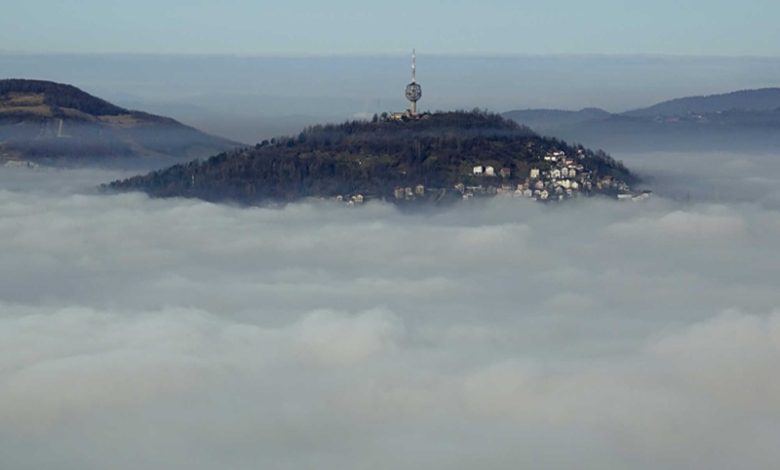
Every winter, Sarajevo starts to look like a city wrapped in fog. But locals know that much of that grey curtain is not harmless mist. It is a mix of smoke, exhaust, and trapped particulate pollution that can push air quality into dangerous territory. In December 2025, Sarajevo authorities introduced emergency restrictions after the city ranked as the world’s most polluted city on consecutive evenings, with officials pointing to household heating, transport, and weather conditions working together.
Solid-Fuel Heating Still Drives The Evening Spike
The biggest winter trigger is not one factory stack. There are thousands of homes. Reuters reported that around 40,000 households mainly use firewood and coal for winter heating in Sarajevo. Recent source-tracing research led by the Paul Scherrer Institute found that residential solid-fuel heating is the main factor driving evening particulate spikes, especially in neighbourhoods outside the city centre. In some areas, wood-burning stoves accounted for up to 60% of the organic particulate matter measured at night.
Traffic Keeps Adding A Daily Layer Of Exhaust
Then comes traffic. Sarajevo has roughly 180,000 registered vehicles, and transport remains a major contributor to winter pollution. During bad episodes, canton authorities have responded by banning heavy trucks and restricting older vehicles that do not meet EU standards. That tells you the problem is not only smoke from chimneys. The roads are adding their own steady stream of exhaust, especially when cold air keeps emissions hanging low over the city. Recent official Instagram reel on Sarajevo’s pollution.
Basin Geography Makes Bad Air Stay Put
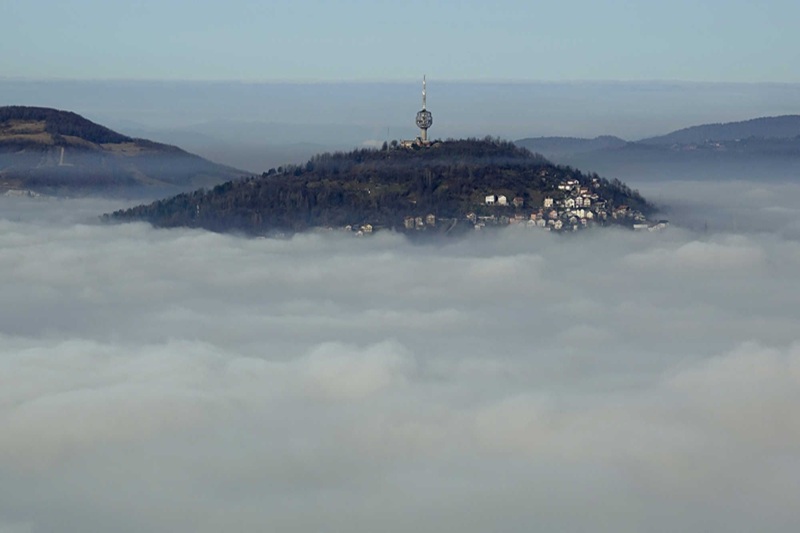
Sarajevo’s setting is beautiful in postcards and brutal in winter air episodes. The city sits in a valley surrounded by mountains and hills, which makes it vulnerable to temperature inversions. In simple terms, cold air gets trapped near the ground and acts like a lid, holding pollution in place. UNICEF’s Bosnia factsheet notes that Sarajevo is especially prone to winter fog that turns into smog when mixed with high pollution and weak wind. Reuters described the same pattern in December 2025, when fog and inversion conditions helped hazardous air remain over the city for days.
Why The Smog Feels Worse Than A Normal Winter Haze
This is why the city can look calm while the air turns unsafe. IQAir reported AQI levels above 400 during a January 2026 episode, firmly in the hazardous range. PSI researchers also found brief PM2.5 peaks reaching several hundred micrograms per cubic metre. That is the kind of winter pollution people feel in their throat, chest, and eyes long before they read a monitor.
The Health Cost Keeps The Story Urgent
This is no seasonal inconvenience. Reuters, citing World Bank and WHO-linked figures, noted that PM2.5 pollution in Bosnia is associated with about 3,300 premature deaths each year and economic losses above 8% of GDP. Researchers say cleaner household heating, better insulation, and stronger long-term monitoring would make the biggest difference. Until then, Sarajevo’s winter air story will keep returning with the cold.
FAQs
1. Why Does Sarajevo’s Air Get Worse In Winter?
Cold weather increases heating demand, while inversions and weak wind trap smoke and exhaust close down.
2. What Fuel Sources Cause The Biggest Pollution Problem?
Wood and coal used for household heating create major evening particulate spikes across many neighborhoods.
3. Does Traffic Really Matter In Sarajevo’s Smog Problem?
Yes, vehicle exhaust adds steady pollution, especially from older cars during stagnant winter weather conditions.
4. Why Is Sarajevo’s Geography Such A Big Factor?
Its basin setting traps polluted cold air, reducing ventilation and allowing smog to linger longer.
5. What Helps Reduce Winter Pollution In Sarajevo?
Cleaner heating systems, home insulation, stricter vehicle rules, and better monitoring can reduce winter smog.